A Cocoa Beach DUI charge requires more than an officer’s observations or an alcohol test result. To secure a conviction, the State must prove beyond a reasonable doubt that you drove or exercised actual physical control while impaired or meeting an unlawful alcohol-concentration threshold.
Florida DUI law gives the State more than one way to prove the required alcohol or substance condition. It can show impaired normal faculties or a qualifying blood or breath alcohol level of 0.08 or higher, as provided in Florida Statutes § 316.193. Driving behavior, roadside exercises, and officer observations can provide impairment evidence without necessarily establishing who drove or controlled the vehicle.
Relevant evidence may include officer observations, alcohol test results, recordings, witness accounts, and investigation records. DeGraff Hicks Law Group’s Cocoa Beach DUI lawyer can compare those materials with the elements the State must prove.
Key Takeaways
- The State must prove driving or actual physical control plus qualifying impairment or an unlawful alcohol concentration.
- Statements, witness accounts, video, and surrounding circumstances can help the State prove who drove or exercised actual physical control.
- Roadside observations and sobriety exercises can provide impairment evidence, but they do not independently establish guilt.
- Breath or blood results can establish an alcohol-concentration element without independently proving who drove or controlled the vehicle.
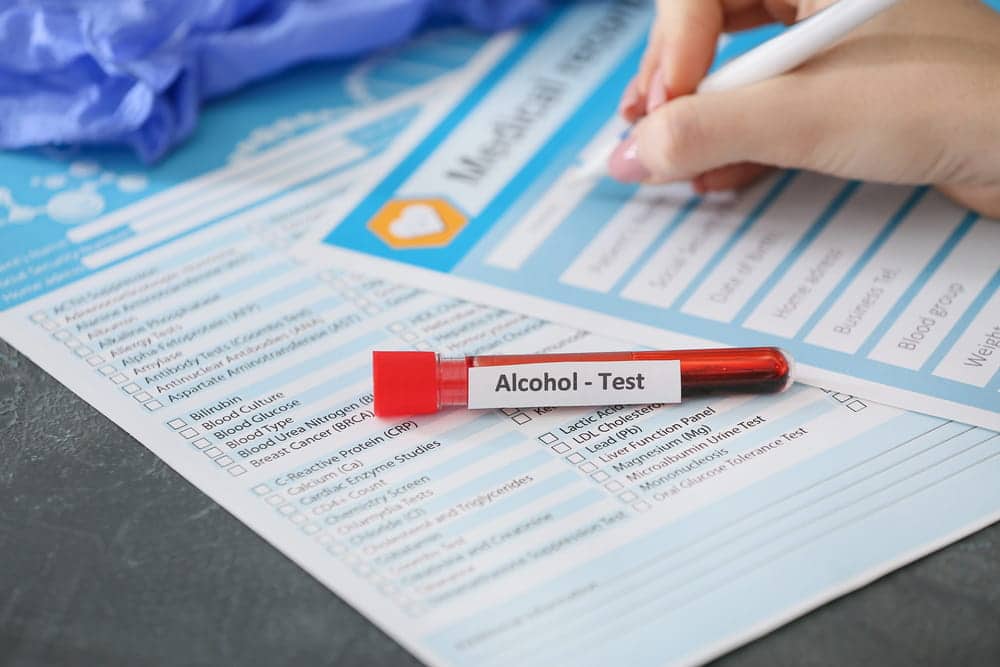

What Must the State Prove to Establish a Florida DUI?
Prosecutors must establish both elements through admissible evidence, even when an officer did not personally observe the alleged driving.
Must the State Prove Driving or Actual Physical Control?
The State must establish that the accused drove the vehicle or exercised actual physical control over it. An officer does not have to personally see the vehicle moving. Evidence can instead address where the person was positioned and whether the vehicle could be operated.
Must the State Prove Impairment or a 0.08 Alcohol Level?
Florida law provides several ways for prosecutors to establish the required alcohol or substance-related condition. One method requires proof that alcohol, a covered chemical substance, or a controlled substance impaired the person’s normal faculties. Another relies on a qualifying blood or breath alcohol level, so separate proof of impaired faculties is not always required.
How Can Police Show Who Drove or Controlled the Vehicle?
Police need evidence connecting the accused to driving or control, regardless of how strong the impairment evidence appears.
What Evidence Can Connect the Accused to Actual Driving?
An officer who personally observes someone operating a vehicle has direct evidence identifying the driver. When officers arrive after a crash or other incident, additional evidence may establish who operated the vehicle beforehand. Relevant evidence can come from several distinct sources:
- Statements describing who drove the vehicle before officers arrived.
- Witness accounts identifying the person seen operating or leaving the vehicle.
- Video recordings showing vehicle movement, occupants, or events occurring before police contact.
- Surrounding circumstances connecting the accused to the vehicle when officers did not personally observe driving.
When Can Actual Physical Control Matter Without Driving?
Florida’s standard jury instruction defines actual physical control as being physically in or on a vehicle with the capability to operate it. This becomes important when officers find someone in a stopped vehicle, because the person’s position and ability to operate it may help establish control.

Which Evidence Can Show That Normal Faculties Were Impaired?
Evidence of impaired normal faculties can come from an officer’s observations, roadside exercises, and other circumstances documented during the investigation.
Which Normal Faculties Can Police Examine for Impairment?
Florida law treats abilities such as seeing, hearing, walking, talking, driving, and making judgments as normal faculties. Observations involving those abilities can therefore become evidence of impairment.
What Can Roadside Observations Show About Impairment?
During a DUI investigation, officers may document speech, balance, coordination, judgment, and responses to instructions. Field sobriety exercises add information about divided attention and physical performance, although the exercises themselves are not separate elements prosecutors must prove.
Can the State Prove DUI Without a 0.08 Test Result?
A result below 0.08 does not automatically prevent the State from pursuing an impairment-based DUI charge when other competent evidence supports impairment.
What Does a Result Below 0.08 Mean in a DUI Case?
Florida law presumes that alcohol did not impair normal faculties when the blood or breath alcohol level is 0.05 or less. However, other competent evidence can overcome that presumption. A level above 0.05 but below 0.08 creates no presumption for or against impairment, although the State may still use the result alongside other evidence.
What Does a 0.08 or Higher Test Result Actually Prove?
A legally admissible blood or breath result showing an alcohol level of 0.08 or higher can establish Florida’s alcohol-concentration element. Florida law also treats that level as prima facie evidence of impaired normal faculties. However, the State must still connect the result to the alleged offense and prove driving or actual physical control.

How Can Conflicting Evidence Affect the State’s DUI Proof?
Police reports, recordings, and chemical tests may tell different parts of the same story, making it important to compare what each source actually establishes.
How Can Video Support or Challenge Police Observations?
Body-camera or in-car footage may preserve speech, movement, instructions, responses, roadside exercises, and the encounter’s sequence. The Cocoa Beach Police Department Records Division provides a process for requesting department records and available video. The department also publishes DUI investigation and camera policies, which can help explain how officers document roadside encounters and preserve recordings.
What If the Report, Video, and Test Results Conflict?
Suppose an officer reports that a driver moved within the lane and struggled with several instructions. Body-camera footage instead shows several instructions completed correctly, while a breath result falls above 0.05 but below 0.08. Because that alcohol level creates no presumption of impairment, prosecutors would need to establish impaired normal faculties through the available evidence, including the test result and observations.
Contact a DUI Lawyer in Cocoa Beach
A DUI evidence review can reveal whether the State has proof of driving or actual physical control, impairment, or an unlawful alcohol concentration. Comparing police reports, available recordings, roadside observations, and chemical test results can also identify inconsistencies that deserve closer examination.
DeGraff Hicks Law Group handles DUI and other criminal defense matters from its Cocoa Beach office. If you are facing a DUI charge, we can review the State’s evidence and identify issues requiring closer examination. Contact us today or call (321) 44-SHARK to discuss your case.