You are driving home through Cocoa Beach when an officer pulls you over after noticing your vehicle drifting between lanes. During the traffic stop, the officer observes your behavior, asks questions, and requests roadside sobriety exercises. These observations, along with recordings, witness statements, and chemical test results, may become evidence in your Cocoa Beach DUI case.
Florida prohibits driving or being in actual physical control of a vehicle while alcohol or certain chemical or controlled substances impair normal faculties. Florida Statutes § 316.193 also establishes separate blood- and breath-alcohol limits of 0.08. Prosecutors can pursue impairment-based DUI charges even when chemical testing does not establish either statutory alcohol threshold.
Evidence supporting an arrest does not automatically establish guilt beyond a reasonable doubt. Police reports, recordings, and testing records may reveal conflicting observations, procedural errors, or questions about evidence reliability. DeGraff Hicks Law Group’s Cocoa Beach DUI lawyer can examine these materials, identify potential challenges, and assess the prosecution’s evidence.
Key Takeaways
- Police may use driving observations, physical symptoms, roadside exercises, and witness accounts to investigate suspected DUI offenses.
- Breath, blood, and urine tests provide evidence of alcohol concentration or substance presence, but results require interpretation.
- Body-camera footage, dashcam recordings, and driver statements may support or contradict observations documented in police reports.
- Unlawful stops, improper testing procedures, and constitutional violations may support challenges to evidence presented in DUI proceedings.

What Driving Evidence Can Police Gather Before an Arrest?
Officers may document vehicle movements and surrounding conditions to assess the basis for a stop and possible further investigation.
Which Driving Behaviors Can Raise Suspicion of DUI?
Officers may observe weaving, lane drifting, changing speeds, delayed braking, or unusual responses to traffic conditions before stopping a vehicle. An observed traffic violation or reasonable suspicion of impaired driving can provide a lawful basis for a traffic stop. A subsequent DUI arrest requires probable cause based on the circumstances known to the officer, including observations gathered during the investigation.
What Can Police Learn From a Crash Involving a Driver?
Following a collision, officers may document damage, vehicle positions, roadway conditions, and witness accounts to reconstruct events. This evidence can help establish who drove or exercised actual physical control when officers did not witness the vehicle moving. A collision alone does not establish impairment, so observations, witness statements, or testing evidence may support an arrest.
Which Physical Signs and Roadside Tests Can Suggest DUI?
Officers may document physical symptoms and roadside exercise performance, but surrounding conditions matter when interpreting those observations.
What Physical Signs Can Officers Record During a DUI Stop?
Officers may document alcohol odor, bloodshot eyes, unusual speech patterns, balance problems, and difficulty following instructions during a traffic stop. Although these observations can support an impairment investigation, fatigue, illness, or injuries may explain some of the same physical symptoms. Alcohol odor can indicate consumption, but it does not establish a driver’s alcohol concentration or independently prove impairment.
How Do Field Sobriety Exercises Affect DUI Evidence?
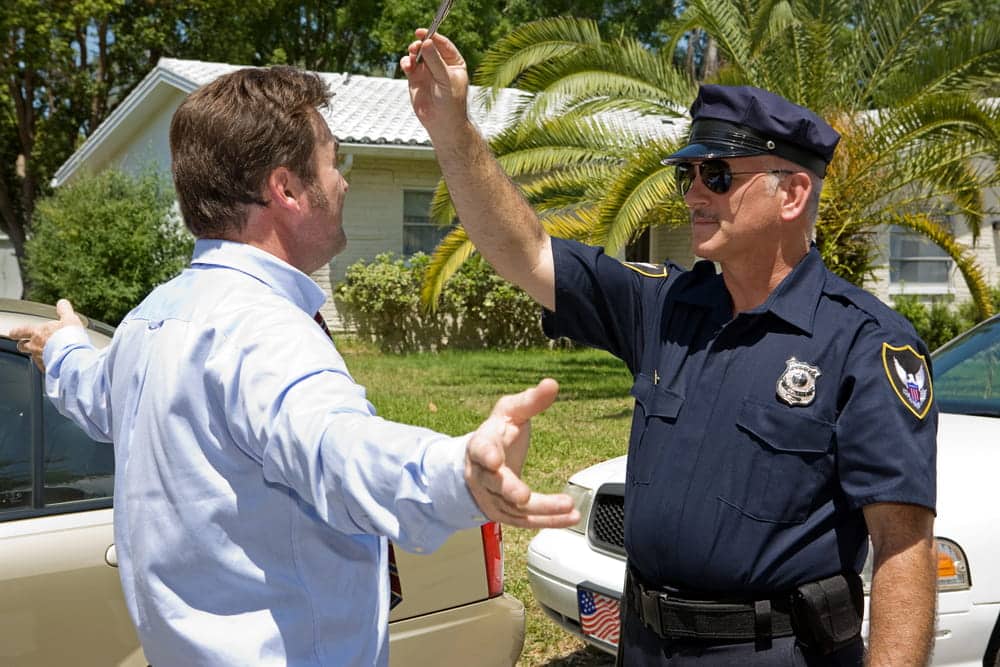
Officers commonly use three standardized field sobriety exercises to assess eye movements, balance, coordination, and responses to instructions. During a Cocoa Beach stop, a driver with a knee injury might struggle with the one-leg stand despite being sober. These exercises do not measure alcohol concentration, and physical limitations or uneven surfaces can affect performance. Refusing roadside exercises may also become evidence, depending on the circumstances and any warnings officers provided.
- Horizontal gaze nystagmus: Observation of involuntary eye movements while following a moving object
- Walk-and-turn: Assessment of balance, coordination, and the ability to follow instructions
- One-leg stand: Observation of balance and coordination while standing on one foot

What Can Chemical Tests and Refusals Reveal About DUI?
Chemical tests can show alcohol concentration or substance presence, while the legality of collection requires separate examination.
How Do Breath, Blood, and Urine Tests Provide Evidence?
Breath tests measure alcohol concentration, blood tests can measure alcohol or identify substances, and urine tests may detect certain substances. Florida’s prohibited levels are 0.08 grams per 100 milliliters of blood or 0.08 grams per 210 liters of breath. Florida law presumes no alcohol impairment at 0.05 or less, although other evidence can overcome that presumption. Levels above 0.05 but below 0.08 create no presumption either way, while drug detection alone does not establish impairment during driving.
When Can Police Use a Driver’s Refusal as DUI Evidence?
Florida’s implied-consent law permits qualifying breath and urine testing requests following a lawful DUI arrest when statutory requirements are satisfied. Florida Statutes § 316.1932 allows qualifying refusals into evidence and establishes license suspensions of one year for first refusals and 18 months for subsequent refusals. Since October 2025, a qualifying first breath or urine refusal constitutes a second-degree misdemeanor, while subsequent qualifying refusals constitute first-degree misdemeanors. Blood testing follows separate requirements, and refusing roadside sobriety exercises does not trigger the same statutory chemical-test refusal penalties.
How Can Recordings and Witness Accounts Support DUI?
Recordings and witness accounts can help establish what officers observed, what drivers said, and whether documented events occurred as reported.
What Can Police Body Cameras and Dash Cameras Reveal?
Body-camera and dash-camera footage may capture driver statements, roadside exercises, physical movements, and interactions documented in an officer’s report. For example, footage might show that a driver followed instructions correctly despite an officer documenting repeated difficulty understanding directions. However, limited camera angles, missing footage, or unclear audio can prevent recordings from establishing everything that occurred.
Which Driver Statements and Witness Accounts May Be Used?
Statements about drinking, medication, vehicle operation, or earlier events may provide evidence relevant to the investigation. Miranda warnings generally apply to custodial interrogation rather than routine roadside questioning, although a detention can become custodial. Passengers and crash witnesses may describe events officers missed, but firsthand observations differ from speculation or secondhand accounts.

Which DUI Evidence Can Be Examined or Challenged in Court?
Reviewing the charges, investigative records, and testing procedures helps distinguish potentially inadmissible evidence from evidence whose reliability may be disputed.
What Records Can Clarify a Cocoa Beach DUI Case?
Arrest reports, citations, recordings, witness statements, and chemical test results help identify the evidence supporting a Cocoa Beach DUI charge. Defendants may obtain additional investigative materials through criminal discovery, including testing records that document collection times, procedures, and reported results. Misdemeanor DUI cases generally proceed in Brevard County Court, while felony charges fall within circuit court jurisdiction, making the charge classification important when identifying the appropriate court.
What Can Keep Police Evidence Out of a Florida DUI Trial?
Courts may exclude DUI evidence obtained through constitutional violations, including certain unlawful stops, searches, or custodial interrogations. Chemical test challenges require examining applicable collection procedures, instrument requirements, operator qualifications, and whether testing substantially complied with approved methods. Minor procedural deviations do not automatically invalidate results, while conflicting observations generally affect evidentiary weight rather than requiring exclusion.
Contact a DUI Lawyer in Cocoa Beach
Police evidence in a Cocoa Beach DUI case must satisfy applicable legal requirements governing its collection, testing, and admissibility. Driving observations, chemical results, and recorded statements can raise different questions about reliability and the strength of the prosecution’s allegations. Examining these distinctions helps identify which evidence warrants closer scrutiny and whether particular legal challenges are supported.
DeGraff Hicks Law Group defends individuals facing DUI allegations in Cocoa Beach and throughout Brevard County. Our attorneys can examine the investigation and determine whether particular observations, statements, or test results warrant legal challenges. Contact us today or call (321) 44-SHARK to discuss your DUI charge and potential defense options.