An argument ends with your spouse calling Cocoa Beach police, although neither person appears injured. You can be arrested for DV even without visible bruises or cuts because Florida law does not require a visible injury. Police may arrest when the available facts establish probable cause that a domestic violence battery occurred.
Florida battery law covers conduct that may leave no physical mark. Florida Statutes § 784.03 covers intentional unwanted touching or striking and intentionally causing bodily harm. An unwanted touch or strike can therefore support a battery allegation without leaving a visible injury.
No visible injury does not mean officers lack evidence to consider. Police still need probable cause based on the facts available when they respond. Colleen DeGraff is an experienced Cocoa Beach domestic violence lawyer who can review the allegations and available evidence while explaining what an arrest does and does not establish.
Key Takeaways
- Florida law allows domestic violence arrests without visible injuries when available facts establish probable cause of battery.
- Statements, witnesses, recordings, messages, videos, and scene observations can support probable cause without physical injury.
- An arrest does not establish guilt because prosecutors must prove the charge beyond a reasonable doubt.
- No visible injuries may affect case strength, depending on the allegations and other available evidence.
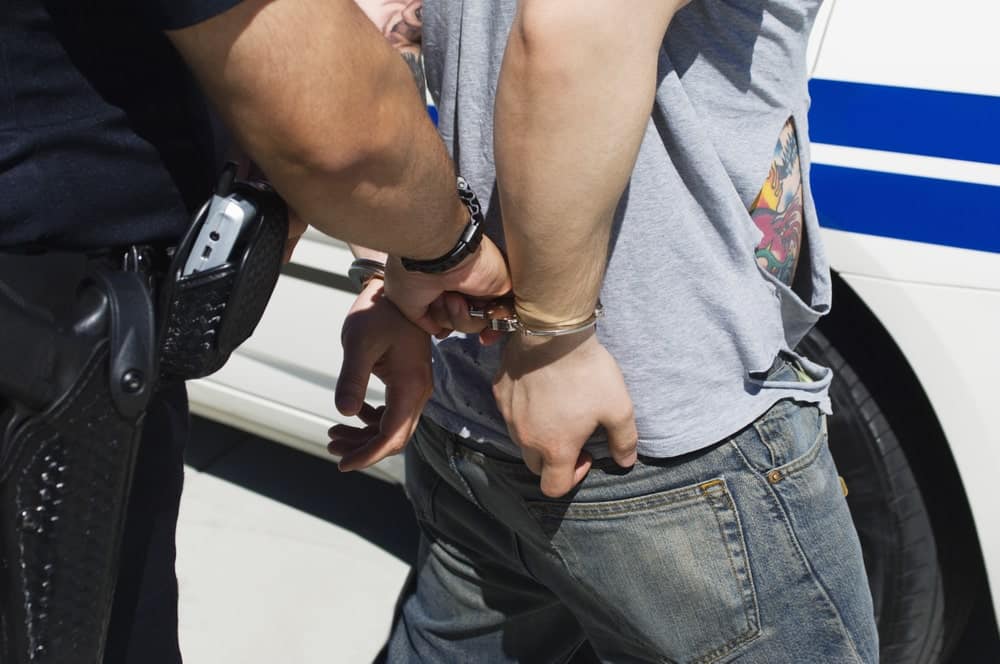

Why Can Police Arrest You Without Visible Injuries?
The alleged contact matters because Florida battery law does not require every accusation to involve a visible injury.
Does Battery Require a Bruise, Cut, or Other Mark?
Battery can involve intentional unwanted touching or striking, even when the contact leaves no bruise, cut, or visible mark. Someone may report pain or soreness without showing an obvious mark, and officers can weigh that report with other evidence. Visible injuries can support the allegation, but their absence does not eliminate the unwanted-contact alternative under Florida battery law.
What Kind of Contact Can Support a Battery Allegation?
An alleged shove, grab, or slap may support battery when the contact was intentional and against the person’s will. That distinction separates alleged intentional contact from accidental or incidental contact that lacks the required intent. The key issue is the alleged unwanted contact, not simply whether it left a lasting mark.
What Must Police Find Before a No-Injury DV Arrest?
Before making an arrest, police must have facts supporting probable cause that domestic violence occurred.
How Does Probable Cause Work Without Physical Injuries?
Probable cause exists when available facts give officers reasonable grounds to believe an offense occurred. Florida law allows an officer to arrest when probable cause supports domestic violence within that officer’s jurisdiction. Visible injury is not required, and police need not prove the eventual criminal charge before making the initial arrest.
What Evidence Can Support Probable Cause Without Marks?
Visible injuries are only one source of information relevant to the probable-cause assessment. Officers may consider other evidence when deciding whether the available facts support probable cause. They can compare those sources for consistency, contradictions, and details supporting or weakening the allegation.
- Statements from both people can describe what happened before, during, and after the alleged contact.
- Witness accounts can provide information about what another person saw or heard during the incident.
- 911 recordings can capture statements, background sounds, or information provided during the initial call.
- Messages and communications can document statements exchanged before or after the alleged incident.
- Video recordings can come from phones, surveillance systems, or other available recording sources.
- Scene observations can document damaged property, disturbed surroundings, or other conditions officers encounter.
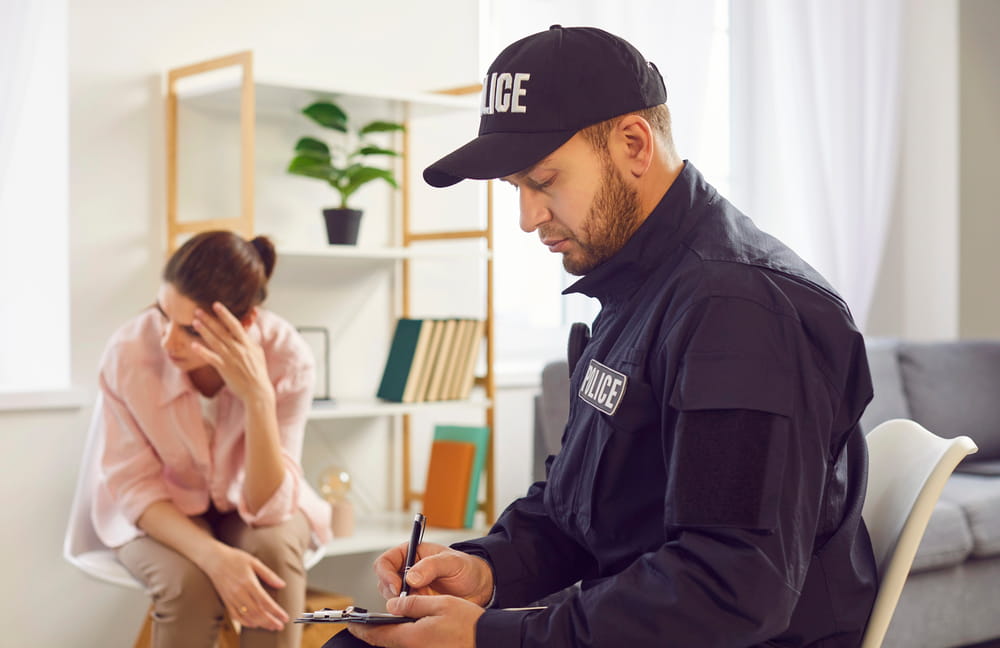
How Do Conflicting Accounts Affect a No-Injury Arrest?
When both people make complaints, Florida law requires officers to evaluate each complaint separately for probable cause.
What If Both People Give Police Different Stories?
Two people argue inside a Cocoa Beach residence, and each gives police a different account of an alleged shove. Neither person has visible injuries, so officers compare each account with the available evidence. Calling first, appearing calmer, or showing no injury does not determine probable cause by itself.
Can the Other Person Ask the Police Not to Arrest You?
Yes, the other person can ask police not to make an arrest, but officers are not bound by that request. Florida law does not require the other person’s consent when probable cause supports an arrest. Their request and the absence of injuries are relevant circumstances, but neither decides probable cause alone.
Does No Visible Injury Make the DV Case Weaker?
The absence of visible injury can affect case strength differently depending on the alleged contact and remaining evidence.
Can the Lack of Injury Affect the Strength of the Case?
Missing bruises may reveal little when the alleged contact would not ordinarily leave a visible mark. Their absence may matter more when specific claims about force would ordinarily suggest a visible injury. Later recordings, communications, witness accounts, or contradictions can strengthen or weaken the allegation after arrest.
Does an Arrest Mean Prosecutors Can Prove the Charge?
No, an arrest reflects a probable-cause decision, not a determination that the accused person is guilty. To obtain a conviction, prosecutors must later prove the charge beyond a reasonable doubt. Further investigation may uncover new evidence, while the absence of visible injury can remain relevant to the prosecution’s proof.

What Happens After a No-Injury DV Arrest in Cocoa Beach?
A person remaining in custody after arrest generally appears before a judge early in the criminal process.
Does First Appearance Decide Whether the Allegation Is True?
Cocoa Beach lies in Brevard County, which is part of Florida’s Eighteenth Judicial Circuit. A person held after a Cocoa Beach arrest may attend an initial appearance at the Brevard County Detention Center. First appearance addresses early post-arrest matters rather than determining whether the accused person committed the alleged offense.
What Evidence Matters When No Injuries Are Visible?
Texts, photographs, surveillance footage, call records, and witness information may become especially important after arrest. Those materials may confirm or contradict when events occurred, what was communicated, and how the incident was described. Preserve existing evidence without altering or deleting it because the broader factual record may matter when no injuries are visible.
Contact a Cocoa Beach Domestic Violence Lawyer
An arrest in Cocoa Beach does not require visible injuries when officers have facts supporting probable cause. The absence of physical injuries may still become relevant when the remaining evidence is examined, although the standard for making an arrest differs from the proof required for conviction.
DeGraff Hicks Law Group provides criminal defense representation from its Cocoa Beach office. If you were arrested without visible injuries, the firm can review the circumstances, available evidence, and allegations involved in the case. Contact us today or call us at (321) 44-SHARK to discuss your situation and possible next steps.