In January 2026, Sheriff Wayne Ivey intensified traffic enforcement along Interstate 95 following concerns about fatal crashes during the holiday period. Brevard County deputies and Florida Highway Patrol troopers increased patrols and citations for speeding, unsafe lane changes, and other dangerous driving violations. The crackdown also brought greater attention to drivers whose excessive speeds could result in criminal charges under Florida law.
The initiative increases enforcement of existing traffic laws rather than creating new criminal offenses or changing the penalties drivers face. Florida’s Dangerous Excessive Speeding Act took effect July 1, 2025, establishing criminal penalties for drivers who meet specific speeding thresholds. Florida Statutes § 316.1922 covers driving at least 50 mph over the limit or reaching 100 mph under specified dangerous conditions.
Ordinary speeding citations and criminal excessive speeding charges have different consequences, making the alleged speed and surrounding circumstances important. A first conviction under Florida’s dangerous excessive speeding law carries up to 30 days in jail, a $500 fine, or both. DeGraff Hicks Law Group’s Cocoa Beach criminal defense lawyer can review the alleged speed, supporting evidence, and potential criminal penalties.
Key Takeaways
- Sheriff Ivey’s crackdown increases enforcement of existing Florida traffic laws, particularly along Interstate 95.
- Criminal excessive speeding includes driving at least 50 mph above the limit or reaching 100 mph under specified dangerous conditions.
- First convictions carry possible jail time and fines, while qualifying repeat convictions can trigger license revocation.
- Speed measurements, posted limits, vehicle identification, and driving conditions can affect whether prosecutors establish a criminal speeding violation.
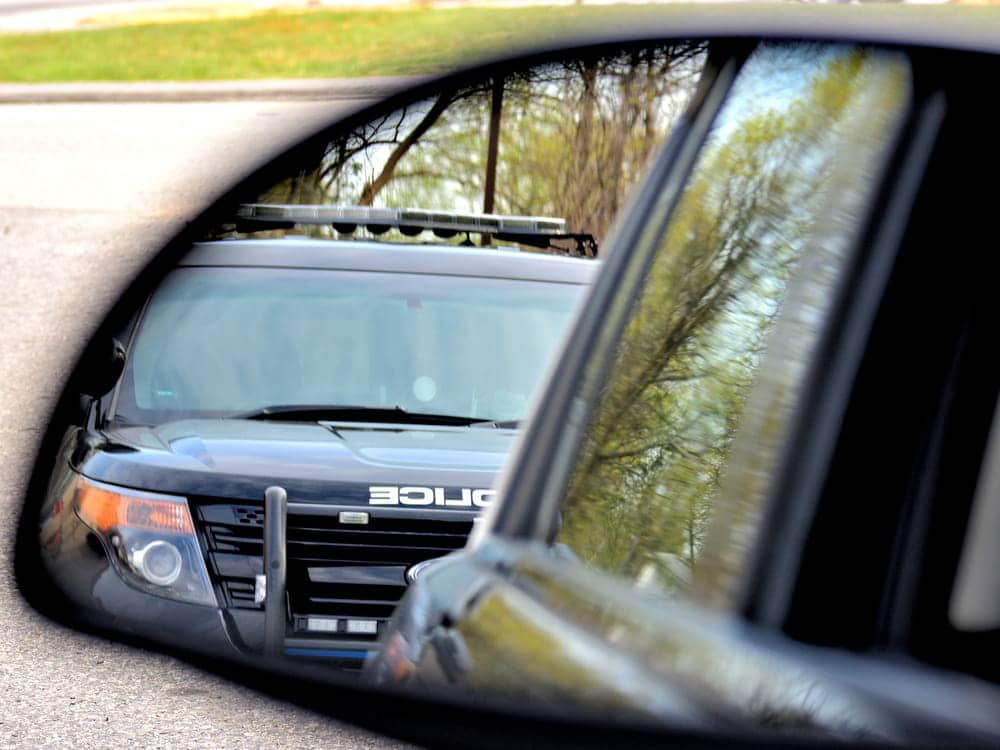

Why Did Sheriff Ivey Intensify I-95 Traffic Enforcement?
The crackdown focused on dangerous driving along Interstate 95, where deputies increased patrols and citations to address traffic safety concerns.
What Led to Sheriff Ivey’s Brevard Traffic Crackdown?
Sheriff Ivey identified the Interstate 95 corridor between Eau Gallie Boulevard and Wickham Road as an area of particular traffic safety concern. The Brevard County Sheriff’s Office Motor Unit and Florida Highway Patrol targeted speeding, unsafe lane changes, distracted driving, and following too closely. Increased patrols and citations aimed to address violations associated with dangerous driving and prevent further traffic deaths.
How Did the I-95 Enforcement Campaign Change Policing?
Deputies and troopers emphasized issuing citations for observed violations rather than relying on routine warnings during the intensified enforcement campaign. Most ordinary speeding violations remain civil matters, but Florida treats dangerous excessive speeding as a criminal offense when statutory requirements are met. Drivers may therefore encounter criminal investigations when officers document speeds or driving conduct that satisfies Florida’s dangerous excessive speeding law.
How Are Brevard Deputies Enforcing Super Speeder Laws?
Deputies are documenting dangerous traffic violations and making arrests when the available evidence supports charges under Florida’s existing criminal speeding laws.
What Do Brevard County Super Speeder Arrests Reveal?
Authorities reported 384 traffic citations during the first enforcement week in January 2026, although those citations were not all criminal speeding arrests. Separate arrests reported in September demonstrated that deputies continued targeting excessive speeds months after the initial crackdown. One involved a motorcycle allegedly traveling 100 mph in a 45-mph zone on State Road 528, while another involved a BMW allegedly traveling 121 mph along Interstate 95. Neither reported arrest establishes a criminal conviction.
What Evidence Can Support a Criminal Speeding Arrest?
Deputies need probable cause for an arrest, while prosecutors must prove every required element of criminal excessive speeding beyond a reasonable doubt. Florida requires covered speed-measuring devices to receive approval and undergo accuracy testing at least every six months. The following evidence can help determine whether prosecutors can establish the alleged violation:
- Speed measurement records: Device testing records can help establish whether equipment met Florida’s accuracy requirements before the alleged violation occurred.
- Posted speed limits: The applicable limit determines whether a driver’s alleged speed exceeds the statutory threshold by at least 50 mph.
- Vehicle identification: Officer observations and available recordings can help determine whether authorities correctly identified the vehicle involved in the alleged violation.
- Driving conditions: For charges relying on the alternative 100-mph provision, evidence must establish the required safety threat or vehicle interference.
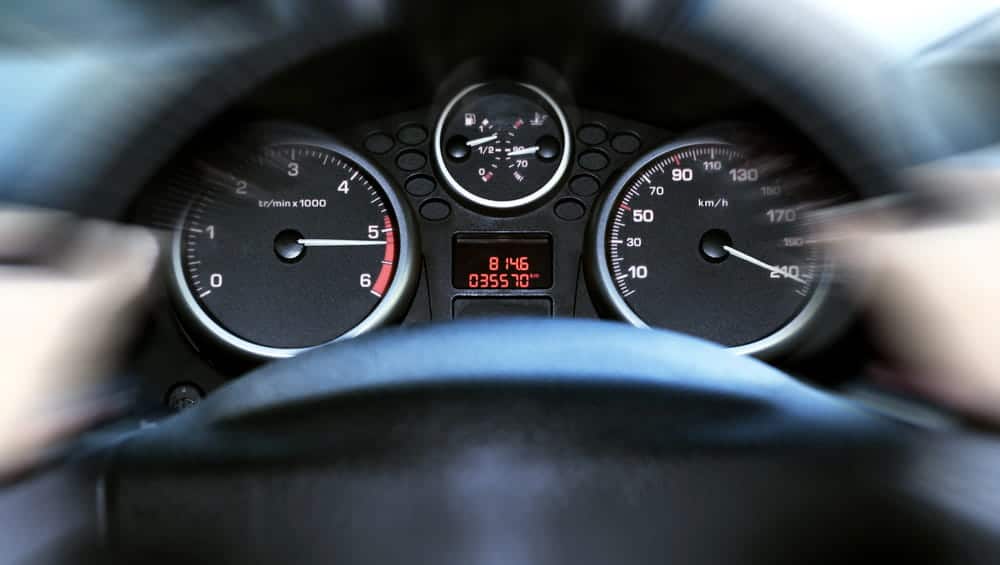

Which Speeds Trigger Criminal Charges in Brevard County?
Florida establishes two alternative criminal speeding thresholds that apply throughout Brevard County, including highways, local roads, and areas outside Interstate 95.
When Does Speeding Become a Criminal Offense in Florida?
Driving at least 50 mph above the applicable speed limit meets Florida’s first dangerous excessive speeding threshold, even when below 100 mph. Alternatively, driving at least 100 mph qualifies when the conduct threatens other people or property or interferes with another vehicle. Reaching 100 mph without those additional circumstances does not independently satisfy the second provision, although other speeding violations may still apply.
Can Brevard Drivers Face Criminal Charges Below 100 MPH?
Drivers can face criminal speeding charges below 100 mph when their speed exceeds the applicable limit by at least 50 mph. For example, a driver traveling 90 mph in a posted 35-mph zone exceeds the limit by 55 mph, meeting the statutory threshold. Prosecutors must establish the applicable speed limit, driver identification, and actual vehicle speed, but need not separately prove dangerous conditions under this provision.
What Penalties Apply to Brevard County Super Speeders?
A dangerous excessive speeding conviction can result in jail time, financial penalties, and mandatory driving privilege revocation for certain repeat offenses.
What Are the Penalties for First and Repeat Convictions?
A first conviction carries up to 30 days in jail, a $500 fine, or both, depending on the sentence imposed. A second or subsequent conviction carries up to 90 days in jail, a $1,000 fine, or both under the same statute. When a subsequent violation occurs within five years after a prior conviction under this statute, driving privileges must be revoked for 180 days to one year.
How Does Criminal Speeding Differ From a Civil Ticket?
Unlike ordinary civil speeding tickets, criminal excessive speeding charges can result in incarceration following conviction and require handling through criminal court proceedings. Drivers facing these charges cannot resolve them merely by paying an ordinary traffic fine because the allegations involve potential criminal penalties. Some civil speeding violations also require court appearances, so drivers should check the exact charge before determining their next steps.

What Happens After a Criminal Speeding Arrest in Brevard?
Drivers arrested for criminal excessive speeding must address their charges through the appropriate court while following applicable release conditions and appearance requirements.
Where Are Brevard County Criminal Speeding Cases Heard?
Criminal misdemeanor traffic cases generally proceed through Brevard County Court, which operates within Florida’s Eighteenth Judicial Circuit and handles qualifying traffic offenses. The Brevard County Clerk of the Circuit Court and Comptroller maintains criminal case information that drivers can use to confirm scheduled proceedings. Drivers should check their citation, release paperwork, and official court records for the date and location of any required appearance.
What Should Drivers Review Before Their First Court Date?
Before their first court date, drivers should review the exact criminal charge, alleged speed, posted limit, and documented traffic stop location. Preserving citations, release paperwork, and available recordings can help clarify the allegations and identify evidence that may require closer examination. A criminal defense lawyer can review speed measurements, identify qualifying prior convictions, and explain possible defenses and penalties under Florida law.
Speak With a Criminal Defense Lawyer in Cocoa Beach
Sheriff Ivey’s crackdown has increased enforcement attention on dangerous driving throughout Brevard County. Drivers facing criminal excessive speeding charges should review the alleged speed, supporting evidence, and applicable statutory requirements before their court appearance. Understanding these details can help them assess the allegations and prepare for the legal proceedings ahead.
DeGraff Hicks Law Group handles traffic-related criminal charges and other defense matters in Cocoa Beach and throughout Brevard County. Our attorneys can review speed measurements, alleged statutory thresholds, and qualifying prior convictions to explain criminal charges and potential penalties. Contact us today or call (321) 44-SHARK to discuss your criminal speeding charge, upcoming court requirements, and potential defense options.