DUI charges in Cocoa Beach can feel overwhelming, but knowing how the process works can make a real difference. In many Cocoa Beach DUI cases, field sobriety tests are one of the first tools officers use during roadside investigations. By observing balance, coordination, and attention, officers decide whether further chemical testing is necessary.
Florida law outlines the procedures for administering field sobriety tests. Officers have the authority to request these tests, such as the walk-and-turn or one-leg stand, to assess whether a driver is impaired by alcohol or drugs. Refusing or failing the tests can lead to serious consequences, including license suspension.
Being aware of Florida’s DUI laws allows you to take control of your situation. With proper guidance, you can navigate the legal process effectively. An experienced Cocoa Beach DUI lawyer can help protect your rights and guide you through every step of the case.
Key Takeaways
- Field sobriety tests help Cocoa Beach officers evaluate balance, coordination, and attention during roadside DUI investigations.
- Standardized tests such as the horizontal gaze nystagmus and walk-and-turn help officers establish probable cause.
- While field sobriety tests are generally voluntary, refusing chemical testing after arrest can lead to penalties.
- A DUI defense attorney can challenge how field sobriety tests were conducted and dispute their reliability in court.
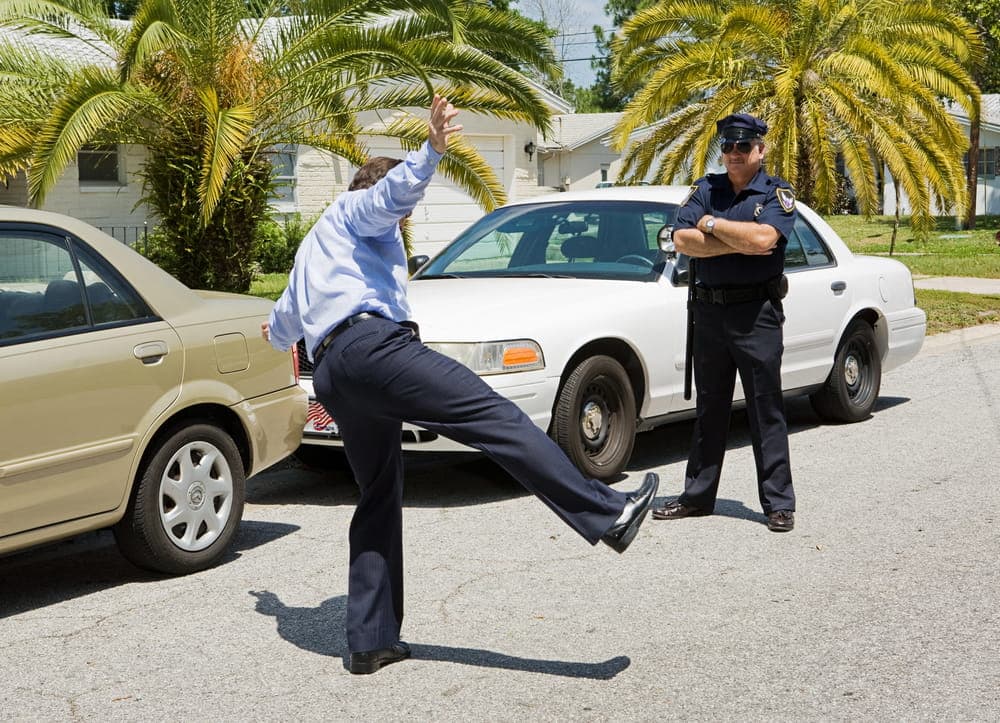

What Field Sobriety Tests Are and Why They Matter
Field sobriety tests are a key part of DUI investigations in Cocoa Beach. These tests allow officers to evaluate a driver’s physical and mental coordination, helping determine impairment.
Purpose of Field Sobriety Tests
Field sobriety tests are used to assess coordination and balance. They help officers observe a driver’s ability to perform tasks that require focus and physical control. If a driver struggles with these tasks, it can indicate impairment, leading to further investigation.
Legal Implications of FSTs
Field sobriety tests play an important role in establishing probable cause for additional DUI testing. When a driver fails these tests, it provides grounds for breath or blood tests. This evidence can impact the course of the investigation and influence legal outcomes.
Types of Field Sobriety Tests Used in Cocoa Beach
In Cocoa Beach, law enforcement uses several field sobriety tests to assess a driver’s impairment. These tests are designed to evaluate physical coordination, balance, and mental clarity.
Horizontal Gaze Nystagmus (HNG) Test
The HGN test requires a driver to follow a moving object with their eyes. Officers look for involuntary jerking movements in the eyes, which may suggest impairment. A failure to properly track the object can provide evidence of intoxication.
Walk-and-Turn Test
The walk-and-turn test asks a driver to walk heel-to-toe along a straight line. Officers carefully observe the driver’s balance and coordination, noting any signs of difficulty or instability. This test helps officers assess physical impairment during the investigation.
The Legal Framework for Field Sobriety Tests
Field sobriety tests in Cocoa Beach are governed by specific laws designed to ensure fairness and consistency. These laws authorize officers to conduct these tests during a DUI investigation.
Florida Law Governing Field Sobriety Tests
Florida’s implied consent law, outlined in Florida Statutes § 316.1932, requires drivers to submit to breath, blood, or urine testing after a lawful DUI arrest. While field sobriety tests themselves are voluntary, officers often use them during roadside investigations to determine whether probable cause exists for further testing. Refusing additional chemical testing after arrest can result in license suspension and other legal penalties.
How FSTs Are Administered Under the Law
Officers are required to follow National Highway Traffic Safety Administration (NHTSA) guidelines when administering field sobriety tests. These guidelines ensure the tests are conducted consistently and reliably for every driver. By following these procedures, officers can maintain fairness and avoid challenges to the test results.

Cocoa Beach DUI Hearings
In Cocoa Beach, DUI hearings are processed through the Brevard County Court system. Local procedures, combined with state law, shape how cases progress after an arrest. Understanding these county-specific practices can give defendants a clearer picture of what to expect.
Brevard County DUI Procedures
DUI cases in Cocoa Beach are processed through the Brevard County Court, where local procedures shape how cases are handled. Local officers follow state law alongside county-specific guidelines when conducting field sobriety tests and investigating DUI charges. These local nuances influence the overall progression of the case and its outcomes.
Local Enforcement in Cocoa Beach
While the Cocoa Beach Police Department adheres to state procedures for DUI investigations, some local practices may differ. These variations can affect judicial expectations or enforcement, making it important to understand how local factors could impact a case. Having knowledge of these differences can provide a strategic advantage in DUI defense.


Handling Field Sobriety Test Failures
Field sobriety test failures are an important factor in DUI investigations in Cocoa Beach. A missed step or poor performance during a test can influence the direction of the case, but it doesn’t always guarantee a conviction.
A Missed Step During the Walk-And-Turn Test
For example, imagine a driver in Cocoa Beach who misses a step during the walk-and-turn test. The officer records this as a failure, adding it to other signs of impairment. Together, these details can strengthen the basis for a DUI arrest, even if the driver believes the mistake was minor.
Impact on the DUI Case
While failing a field sobriety test doesn’t automatically lead to a conviction, it provides significant evidence of probable cause for the officer. This strengthens the officer’s position during the investigation, but it’s not the sole factor in determining the case’s outcome.
Legal Consequences and Options After Failing Field Sobriety Tests
Failing a field sobriety test (FST) in Cocoa Beach can have serious legal consequences, but there are options to defend against these outcomes. Understanding these options and seeking legal guidance can help protect your rights and future.
Hiring a DUI Defense Attorney
After failing an FST, it’s important to hire an experienced DUI defense attorney in Cocoa Beach. A skilled attorney can assess the officer’s conduct, challenge the way the test was administered, and guide you through the legal process. Their expertise can make a significant difference in the outcome of your case.
Defending Against FST Evidence
An experienced attorney can challenge the accuracy of field sobriety tests by questioning the conditions under which they were performed and the officer’s interpretation of the results. These challenges often reveal weaknesses in the prosecution’s case, and in practice, they can make a significant difference in the outcome.
Contact a Cocoa Beach DUI Lawyer
Field sobriety tests play a crucial role in determining DUI impairment in Cocoa Beach. Understanding how these tests work and knowing how to challenge them can significantly affect the outcome of your case.
If you are facing DUI charges, speaking with a defense attorney as early as possible can help you understand your options. We can help challenge the validity of FST results and ensure you are properly guided through the legal process. Being prepared and understanding local laws are vital steps toward protecting your rights and achieving a favorable outcome.
At DeGraff Hicks, we know how overwhelming a DUI charge in Cocoa Beach can be. Our expertise in Florida DUI laws allows us to defend your rights and protect your future. Contact us today or call us at (321) 44-SHARK to speak with a skilled DUI defense attorney. Let us help guide you through this challenging process with confidence.