Brief traffic stops known as Florida DUI checkpoints are designed to deter impaired driving, but they often place drivers in stressful situations where small decisions can carry serious legal consequences. Many motorists feel unsure about what they must do and what they are allowed to refuse when officers begin asking questions. Understanding how these brief traffic stops operate helps drivers stay calm and avoid actions that may unintentionally escalate the encounter.
Florida law requires drivers to carry and present a valid driver’s license upon request while operating a motor vehicle under Fla. Stat. § 322.15. Beyond this requirement, drivers still retain important rights related to questioning, searches, and roadside testing. Knowing these boundaries is especially important during a DUI in Florida, where a routine stop can quickly turn into a formal investigation.
This guide explains what drivers must do at a checkpoint and what they may lawfully decline. It also outlines how stops can escalate into enforcement actions and lead to license or criminal consequences. When questions arise, experienced Cocoa Beach DUI lawyers can help drivers understand their rights and protect their future.


What You Are Required to Do at a DUI Checkpoint
Drivers approaching a checkpoint must understand exactly what the law requires during these brief traffic stops. Focusing on mandatory actions helps drivers comply properly while avoiding confusion and unnecessary mistakes.
Mandatory Compliance at the Stop
You must stop your vehicle when law enforcement directs you to do so. Officers may give traffic or safety instructions, and those directions must be followed carefully at all times. You are required to present a valid driver’s license and remain inside the vehicle unless instructed otherwise.
What Compliance Does Not Include
Compliance does not require explaining where you are coming from or where you are going during the stop. You are not obligated to answer questions about alcohol consumption or personal activities at the scene. You may decline consent to searches when no legal basis has been clearly explained.
Questioning, Observation, and Stop Duration
Traffic stops and checkpoint encounters have specific legal boundaries designed to balance officer authority and driver rights. Understanding the purpose and limits of these stops helps drivers avoid unnecessary risk.
Purpose and Limits of the Initial Stop
- Checkpoint or traffic stops are intended to be brief, uniform, and nondiscriminatory
- Officers may visually assess drivers for signs of impairment or suspicious behavior
- Stops should not be prolonged without reasonable suspicion or probable cause supported by articulable facts
- Extending the stop without justification can affect the admissibility of evidence
How Drivers Can Protect Themselves During Questioning
- Provide required documents such as a valid driver’s license and, when requested, registration and proof of insurance
- Keep verbal responses minimal and avoid volunteering extra information
- Once screening appears complete, it is reasonable to politely ask if you are free to leave
- Remaining calm and cooperative helps protect legal rights while minimizing escalation
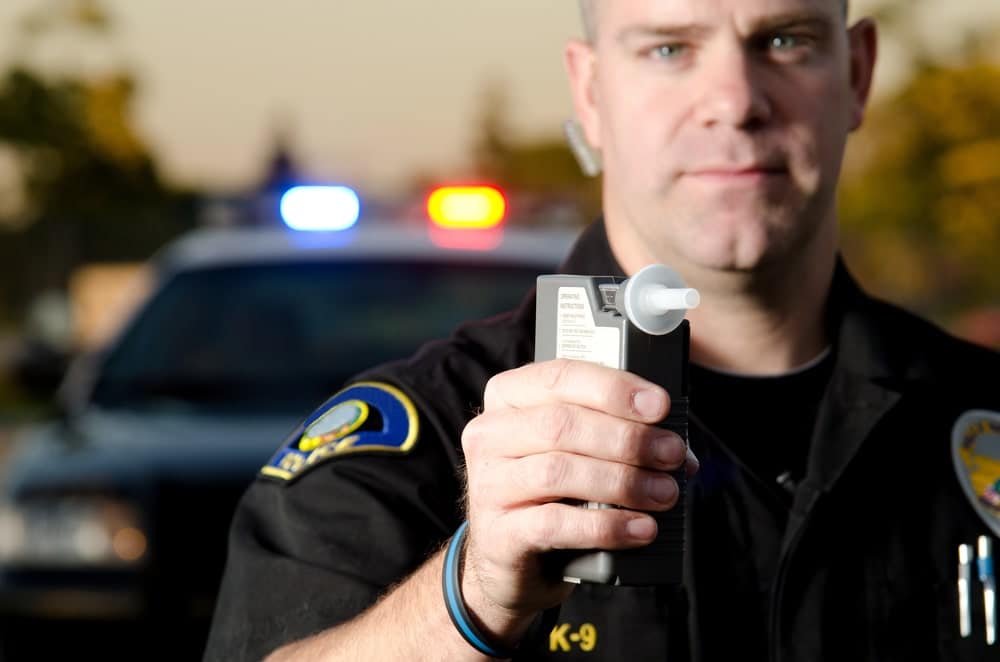

When a Checkpoint Becomes a DUI Investigation
When a checkpoint shifts from brief screening to focused scrutiny, the situation changes quickly for drivers during traffic stops. Understanding how and why this transition occurs helps motorists recognize growing legal risk before consequences follow.
What Typically Triggers Escalation
Officers may claim they smell alcohol or notice slurred speech during short interactions at checkpoints. They may point to perceived coordination issues, speech patterns, or other observations made during questioning, even while the driver remains seated. Medical conditions, fatigue, or anxiety can be misread as signs of impairment under stress.
Why Roadside Decisions Matter
Roadside choices influence how officers justify continued detention after the initial stop by law enforcement. Statements or behavior can be used to support expanded questioning or additional testing later. Challenging officers at the scene often escalates tension instead of improving outcomes for drivers.
Field Sobriety Exercises and Chemical Testing
Field sobriety exercises and chemical testing serve different purposes once a checkpoint interaction moves beyond initial screening. Understanding how officers use each method helps drivers recognize rising legal risk. Knowing the distinction can prevent decisions that lead to avoidable consequences.
Field Sobriety Exercises
Officers use field sobriety exercises as part of the overall evaluation to determine whether probable cause exists for an arrest. Performance may be affected by fatigue, anxiety, injuries, balance issues, or medical conditions. Results remain subjective because officers rely on observation rather than precise measurement.
Chemical Testing and Implied Consent Rules
Under Fla. Stat. § 316.1932, Florida’s implied consent law governs breath, blood, or urine testing after a lawful DUI arrest. These chemical tests are separate from roadside exercises and carry independent legal consequences. Misunderstanding this distinction often leads to unexpected license penalties after the stop concludes.


Searches and Consent at DUI Checkpoints
Understanding the role of consent during DUI checkpoints is crucial, as it defines what officers may lawfully inspect. Drivers can protect their rights while maintaining compliance with checkpoint procedures.
Understanding Consent
- Consent must be given voluntarily and without coercion
- Agreeing to a search allows officers to expand the scope of inspection
- Consent can be communicated verbally or through actions that clearly indicate agreement
- Awareness of consent limits helps prevent unintended legal exposure
Protecting Your Rights Without Escalating
- You may clearly and politely state that you do not consent to searches
- Refusing consent is not the same as resisting lawful orders or creating obstruction
- Challenges to legality should be addressed later in court rather than at the roadside
- Remaining calm and cooperative preserves safety while protecting constitutional rights
License Consequences After a DUI Checkpoint Arrest
License penalties can begin quickly after a checkpoint encounter, often before any court ruling occurs. Many drivers are caught off guard when driving privileges are affected early in the process.
Administrative Consequences Separate From Court
License issues may arise immediately after a DUI arrest involving an unlawful alcohol level or a chemical test refusal. These consequences are handled through administrative procedures rather than criminal court proceedings. Driving privileges may be restricted while the underlying case remains unresolved.
Administrative License Suspension Rules
Fla. Stat. § 322.2615 governs Florida’s administrative driver license suspension process following specific testing outcomes or refusals. This process operates independently from the criminal case and follows strict deadlines. A DUI defense lawyer in Cocoa Beach can help drivers respond promptly and protect their ability to drive legally.
Conclusion
Florida DUI checkpoints are lawful tools, but they are not without limits for drivers. Motorists must comply with identification requirements while retaining rights related to questioning, searches, and testing during stops.
Understanding how screening differs from investigation helps drivers avoid unnecessary mistakes. Calm compliance, limited communication, and informed decisions often protect driving privileges and reduce long-term legal consequences.
At DeGraff Hicks, we understand how stressful and uncertain a DUI checkpoint stop can feel. Our attorneys focus on protecting your rights, clearly explaining your options, and helping you avoid unnecessary long-term consequences. We guide clients through every stage with practical advice and steady support. Contact us today or call us at (321) 44-SHARK for a free consultation and speak directly with an attorney who can help you move forward with confidence.