You sit in your car outside your home in Cocoa Beach, turn the key, and nothing happens until you blow into a small device near the dashboard. That moment feels unfamiliar at first, especially when it becomes part of every drive you take. After a DUI in Cocoa Beach, ignition interlock requirements can quickly become part of daily life.
These devices stop a vehicle from starting if alcohol is detected, allowing limited driving under close monitoring. Because of this, Florida law sets clear alcohol limits and explains when additional restrictions apply, especially for repeat offenses or higher readings. It also defines when drivers must install an interlock device before returning to the road.
Many drivers do not expect how quickly these requirements begin or how closely they are enforced. Missing a step or misunderstanding a condition can delay the return to full driving privileges. Working with an experienced Cocoa Beach DUI lawyer helps drivers track requirements clearly, meet deadlines, and avoid setbacks that can extend restrictions.
Key Takeaways
- Ignition interlock devices in Cocoa Beach are required after certain DUI convictions based on alcohol levels and prior offenses.
- Drivers must pass breath tests to start and continue driving, with all results recorded for compliance review.
- Violations such as failed tests or missed retests can extend restrictions and delay full license reinstatement.
- Following all rules, payments, and maintenance requirements helps restore driving privileges without additional setbacks.
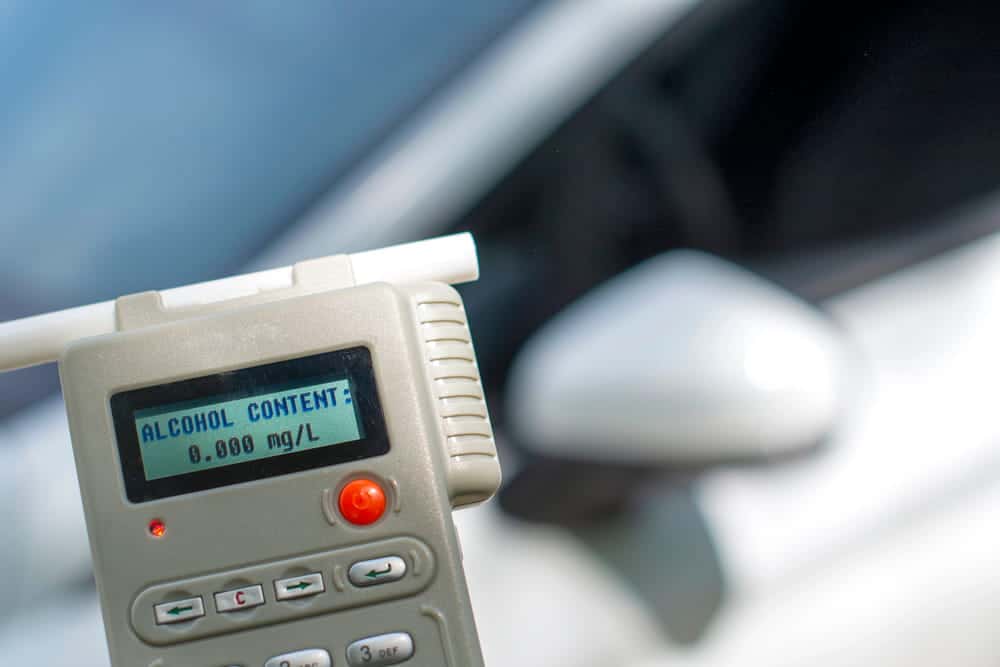

When Ignition Interlock Becomes Required After a DUI
Ignition interlock requirements do not apply in every case, but they become mandatory once certain legal thresholds are met. Understanding when these rules begin helps drivers prepare early and avoid delays during the reinstatement process.
BAC Levels and Prior Offenses That Lead to Installation
Ignition interlock requirements begin after a DUI conviction meets specific thresholds tied to alcohol levels and prior history. A first offense with a higher alcohol reading can require at least six months of device use before driving privileges return. When prior convictions exist, the required period often increases based on how recent and frequent those incidents were. These timelines reflect how the law responds more strictly to repeated behavior.
Mandatory Rules Versus Court-Imposed Conditions
Some ignition interlock requirements apply automatically once certain alcohol levels or repeat offenses are confirmed. These rules are set by law and must be met before full driving privileges are restored. Judges may also add conditions based on case details and compliance history. These added requirements can extend timelines and make the process more demanding.
What Daily Driving Looks Like With an Interlock Device Installed
Daily driving changes once an interlock device is installed, affecting how each trip begins and continues. Simple actions like starting the car or staying on the road now involve added steps and monitoring.
Starting the Vehicle and Completing Breath Tests
- Each time a driver enters the vehicle, a clean breath sample must be provided before the engine will start.
- This step becomes part of the routine and requires attention before every trip begins.
- Once the vehicle is in motion, additional breath tests may be conducted to confirm continued sobriety.
- These rolling retests can happen without warning, so drivers must remain prepared throughout the drive.
Data Tracking and Ongoing Monitoring Requirements
- Every breath test result is recorded and stored for review by monitoring authorities.
- This data helps track compliance and shows whether drivers are following required conditions.
- Failed tests, missed retests, or signs of tampering are reported for further review.
- These records can influence how the case progresses and whether additional restrictions apply.
Where Cocoa Beach DUI Cases Are Managed Within the Court System
DUI cases follow a structured path through the local court system, where filings and hearings are handled. Knowing where these steps occur helps drivers stay prepared and avoid missed deadlines.
Brevard County Court Proceedings in Viera
DUI cases from Cocoa Beach are handled through the Brevard County court system, where charges are filed and scheduled. Many hearings and compliance reviews are held at the Moore Justice Center in Viera, depending on the case’s stage. This location serves as the main point for court appearances and required updates. Understanding where to report helps drivers stay organized and avoid delays.
County-Level Practices That Shape Compliance Expectations
Interlock requirements and reporting procedures follow county-specific practices that guide how compliance is reviewed. Approved vendors, service schedules, and documentation steps may vary based on local processes. Judges apply consistent expectations that reflect how monitoring standards are enforced in the county. Staying aware of these practices helps drivers meet requirements consistently and avoid delays that can interrupt the process.


Rules That Control Ignition Interlock Requirements in Florida
State rules set clear limits on how ignition interlock requirements apply after a DUI conviction. These rules guide when restricted driving begins and how long monitoring must remain in place.
How Restricted Driving Privileges Are Structured After a DUI
Ignition interlock devices allow drivers to return to the road under limited conditions instead of full license reinstatement. These restrictions define when a person can drive and for what purposes, such as work or essential needs. Drivers must follow these limits carefully to remain compliant. Ignoring these conditions can lead to further delays and added penalties.
Legal Requirements That Define Duration and Enforcement
The length of time an interlock device must remain installed depends on the severity of the offense and prior history. As those factors increase, more serious violations or repeat offenses often lead to longer monitoring periods before full privileges return. Florida law sets these timelines and explains how compliance is reviewed, as outlined in Florida Statutes § 322.2715. Following these requirements closely helps drivers avoid setbacks and maintain steady progress toward full driving privileges.
Length of Use, Costs, and Ongoing Responsibilities
Ignition interlock requirements continue beyond installation and affect how long monitoring lasts and what drivers must maintain. Understanding these timelines and obligations helps prevent delays and supports steady progress toward reinstatement.
Required Timeframes Before Full Driving Privileges Return
- Interlock use may last from several months to multiple years, depending on the offense and prior history.
- These timeframes are set at the beginning but may change if compliance issues arise.
- Violations, missed tests, or reporting failures can extend how long the device must remain installed.
- Consistent compliance helps drivers move closer to full driving privileges without additional delays.
A driver may complete installation and begin driving again, only to miss a scheduled calibration appointment a few weeks later. That missed visit can trigger a violation report and pause progress toward reinstatement. Situations like this often happen due to confusion about routine requirements rather than intentional noncompliance.
Financial Costs and Maintenance Obligations Drivers Must Meet
- Drivers are responsible for installation, calibration, and ongoing monthly service costs.
- These expenses continue throughout the monitoring period and must be paid on time.
- Regular maintenance visits are required to ensure the device records accurate data.
- Missing appointments or falling behind on payments can lead to suspension or delays in reinstatement.


How Courts Review Interlock Violations Over Time
Courts review interlock records over time to determine whether drivers comply with the required conditions. This ongoing review helps determine whether privileges continue, change, or are further limited.
Failed Tests and Missed Retests During Daily Use
A driver may register a failed test after consuming alcohol hours before attempting to drive. These results are reviewed to understand the timing and context, and to determine whether they reflect a pattern. Missed retests during driving are also recorded and added to the compliance history. Each event is considered alongside prior behavior before any decision is made.
Patterns of Compliance That Influence Judicial Decisions
Courts often distinguish between isolated incidents and repeated violations when reviewing interlock records. A single issue may be viewed differently if the driver has otherwise followed all conditions. Repeated noncompliance can signal a broader concern about safety and responsibility. This pattern may lead to extended monitoring, stricter conditions, or loss of driving privileges.
Contact a DUI Lawyer in Cocoa Beach
Ignition interlock rules after a DUI in Cocoa Beach are designed to allow limited driving while maintaining accountability. Courts in Brevard County focus on consistent compliance and review records over time. Understanding when devices are required and how violations affect timelines helps drivers avoid delays.
The process involves more than regaining driving privileges, as it also requires maintaining them under clear conditions. Local expectations, reporting duties, and compliance history shape how cases move forward. Working with an experienced DUI defense attorney helps drivers stay organized, meet requirements, and reduce complications.
At DeGraff Hicks, we understand how stressful a DUI case can feel when ignition interlock requirements affect daily life. Our team helps you understand each step, meet court requirements, and prevent delays that can extend restrictions. Contact us today or call (321) 44-SHARK to speak with a DUI lawyer about your situation and move forward with clarity.