Have you ever wondered what happens if you refuse a breath test during a DUI stop in Florida? In a stressful moment, saying no may feel like a way to protect yourself, but that decision can bring immediate consequences. A refusal does not stop a DUI case and may instead lead to license suspension and added legal complications.
This happens because Florida law treats driving as implied consent to chemical testing after arrest, which means drivers are expected to comply once certain conditions are met. Florida Statutes § 316.1932 reflects this by recognizing that agreement to testing is already in place when a driver operates a vehicle. Because of this, refusing a test can trigger separate penalties that move alongside the DUI case.
These situations often move faster than most people expect, especially when early deadlines begin shortly after the arrest. In Cocoa Beach, this process moves through the Brevard County system, where local procedures can influence how a case develops. Speaking with an experienced Cocoa Beach DUI lawyer early can help you understand your options, meet deadlines, and avoid mistakes that could affect your case.
Key Takeaways
- Refusing a breath test in Cocoa Beach can trigger immediate license suspension and strict administrative deadlines.
- A refusal does not stop a DUI case, as officers can rely on observations and other evidence.
- Florida law treats refusal as a violation of implied consent, which can lead to separate penalties.
- Acting quickly and working with an experienced lawyer can help protect your rights and avoid missed deadlines.
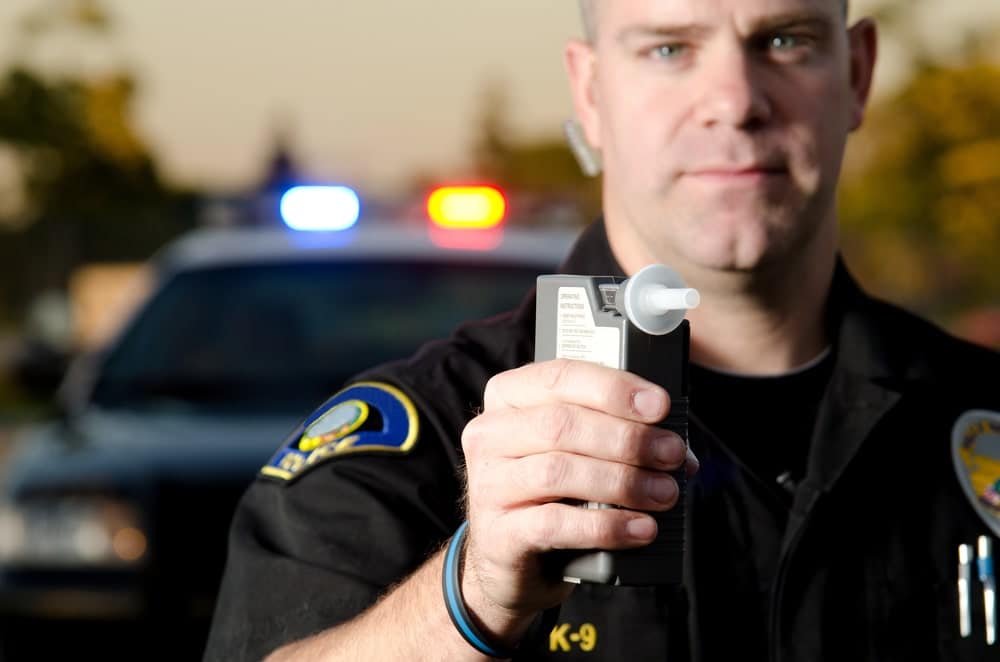

What Refusing a Breath Test Means Under Florida Law
Refusing a breath test can feel like a way to control the situation, but Florida law treats that choice differently. Understanding how the law views this decision helps explain why it often leads to additional consequences.
How Implied Consent Applies to Drivers
Driving in Florida means you agree to chemical testing after a lawful DUI arrest. This agreement comes with the act of driving and does not require a signed form. Once certain conditions are met, officers can request testing under this understanding. Refusing at that point is treated as breaking that agreement rather than avoiding the process.
Why Refusal Does Not Stop a DUI Case
Refusing a breath test does not prevent officers from continuing a DUI investigation. Law enforcement may rely on driving behavior, speech, and field sobriety tests. These details can still support a case even without breath test results. In some situations, refusal may also be considered upon review of the overall evidence.
What Happens to Your License Immediately After Refusal
A refusal can affect your license right away, often before the DUI case fully develops. Because of this, understanding these early steps helps drivers respond quickly and avoid missing important deadlines.
Immediate Suspension and Temporary Driving Period
- A license suspension often begins at the time of refusal, which can catch many drivers off guard.
- In most cases, a temporary permit is issued, allowing limited driving for a short period.
- This permit helps drivers manage daily responsibilities while the suspension process continues.
- The limited duration of the permit makes early planning essential.
Deadlines That Begin Right Away
- After a refusal, strict deadlines begin almost immediately and require prompt attention.
- Drivers usually have a limited window to request a review hearing to challenge the suspension.
- This step is time-sensitive and is often overlooked during the early stages of the process.
- Missing the deadline can reduce the ability to contest the suspension and limit available options.


How the Local Process Affects Breath Test Refusal Cases in Cocoa Beach
Local procedures can shape how a refusal case unfolds from the very beginning. Understanding how Brevard County handles these matters helps drivers stay prepared and avoid early confusion.
Brevard County Court Structure
Cocoa Beach cases fall under Brevard County jurisdiction, where DUI matters are handled through County Court. This is where charges are filed, hearings are scheduled, and the case moves forward. Each step follows a structured process that can move quickly once a case begins. Knowing where your case is handled helps you stay informed and organized.
Why Local Procedure Matters Early
Administrative license issues move on a separate track from the criminal DUI case. This means drivers may face license action while court proceedings continue. Local scheduling and procedures can affect how quickly each part of the case moves forward. Paying attention to these timelines early helps prevent missed deadlines and avoidable mistakes.
What Florida Law Says About License Suspension After Refusal
Florida law explains how license suspensions apply after a refusal and how long they may last. Understanding these rules helps drivers prepare for what comes next.
Length of Suspension Based on Refusal History
A first refusal may result in a license suspension lasting up to one year. If a driver has refused testing before, the suspension period may be extended. These differences depend on prior history and the frequency of refusals. Because of this, each case is reviewed with careful attention to past records.
Legal Framework Behind These Consequences
Florida law allows license suspension as an administrative action tied directly to refusal. This process remains separate from the criminal DUI case and follows its own rules. The law explains how suspensions are applied and how drivers can request a review. These procedures shape how the suspension moves forward and what options may be available.
How Refusal Can Influence the DUI Case
A refusal can still affect how a DUI case is viewed as it moves through the legal process. Understanding this connection helps drivers see why the case does not rely on one piece of evidence.
How Refusal May Be Used in Court
- Prosecutors may present a refusal as part of the overall evidence during a DUI case.
- A refusal can be viewed as an attempt to avoid testing, depending on how the situation is explained.
- This factor does not decide the case on its own but contributes to the broader picture.
- Courts often consider how the refusal fits alongside other facts presented in the case.
What Evidence Is Still Considered
- Even without a breath test, other forms of evidence can still play a central role in the case.
- Officers may rely on driving behavior, physical signs, and field sobriety testing.
- These observations help describe possible impairment at the time of the traffic stop.
- When combined, this information can still support a DUI charge in court.


What a Refusal Situation Often Looks Like After a DUI Stop
A refusal often feels like a quick decision in a stressful moment, but its effects unfold over time. Looking at a common situation helps show how these cases develop in real life.
A Typical Situation After a Late-Night Stop
A driver is stopped in Cocoa Beach after an officer notices erratic driving late at night. During the stop, the driver refuses a breath test, hoping to avoid immediate evidence. The officer proceeds with an arrest and issues a notice of license suspension. At that point, both the criminal case and the administrative process begin moving forward at the same time.
How the Situation Develops in the Following Days
In the days that follow, the driver prepares for court and focuses on the DUI charge. During this time, the short deadline to challenge the license suspension is often missed if it is not addressed early. While attention remains on the court, the administrative case continues on a separate track. The DUI case also proceeds based on available evidence, even without a test result.
Contact a DUI Lawyer in Cocoa Beach
Refusing a breath test in Cocoa Beach does not end a DUI investigation and often creates immediate consequences. License suspension, strict deadlines, and court proceedings can all proceed simultaneously. In Brevard County, local procedures influence how quickly these cases progress, which makes early awareness important.
Understanding what a refusal triggers and how timelines begin helps drivers avoid unnecessary setbacks. Each step, from administrative action to court proceedings, follows its own path and requires careful attention. Speaking with a skilled DUI defense attorney early can help you stay organized and move forward with clarity.
At DeGraff Hicks, we understand how stressful a DUI stop can feel, especially when a refusal leads to immediate consequences and uncertainty. Our team helps you understand your options clearly, stay on track with deadlines, and move through each stage of the process with confidence. Contact us today or call (321) 44-SHARK to speak with a DUI lawyer who can guide you through the next steps and help you move forward with confidence.