A driver standing on the side of the road during a late-night DUI stop may not realize that cameras are already recording nearly every part of the encounter. Dashcam footage, body camera recordings, and nearby surveillance systems often capture details that written police reports summarize only briefly, including roadside conversations, field sobriety exercises, lighting conditions, and officer instructions that may later become important during DUI defense preparation.
Florida law prohibits driving or remaining in control of a vehicle while impaired by alcohol or controlled substances. In Cocoa Beach DUI cases, recorded footage often becomes important during nighttime traffic stops, roadside investigations, and enforcement activity near beach areas and tourist traffic.
Small details captured on camera sometimes become far more important once the case moves forward in court. Audio quality, camera positioning, weather conditions, and officer communication may all affect how events appear during later review of the footage. Because small details can become important later in court, an experienced Cocoa Beach DUI lawyer often reviews recordings closely for inconsistencies, procedural issues, or missing context surrounding the stop.
Key Takeaways
- Dashcam footage, body camera recordings, and nearby surveillance video may become important evidence in Cocoa Beach DUI cases.
- Video recordings sometimes reveal details that differ from written police reports, including roadside conditions and officer instructions.
- Defense attorneys often review lighting, weather, audio quality, timing, and camera angles when analyzing DUI footage.
- Some recordings may be deleted or overwritten quickly, making early evidence preservation especially important in DUI investigations.

Video Evidence That May Affect a DUI Case
Recorded footage often plays an important role in DUI investigations because cameras may capture details that reports can only summarize briefly.
Details Captured During a Traffic Stop
Video footage may capture driving patterns, braking behavior, lane movement, and traffic conditions before the stop occurs. Body camera recordings may also show roadside conversations, field sobriety exercises, and officer instructions throughout the investigation. Lighting conditions, weather, background noise, and road visibility sometimes affect how events appear on camera during nighttime traffic stops.
Footage That Conflicts With Police Reports
Many DUI cases rely heavily on officer observations made during roadside investigations and arrest procedures. Written reports may describe speech patterns, coordination, balance, or driving behavior differently from what appears on recorded footage. Camera angles, audio quality, and surrounding conditions sometimes affect how movements and statements appear during later review of the recordings.
DUI Footage Commonly Reviewed in Cocoa Beach
Several types of recorded footage may become important during DUI investigations in Cocoa Beach and nearby beach areas.
Dashcam and Body Camera Recordings
- Police dashcams and body cameras often record large portions of the roadside investigation during a DUI stop.
- Footage from these encounters often includes roadside questioning, field sobriety exercises, officer instructions, and conversations that occur during the stop.
- Disagreements sometimes arise about officer conduct, roadside communication, or how certain events occurred during the stop.
Surveillance Footage Near Beachside Businesses
- Hotels, restaurants, parking lots, gas stations, and nearby businesses sometimes record activity near the location of a DUI investigation.
- Third-party footage may capture driving behavior, pedestrian movement, or events occurring before or after police contact begins.
- In Cocoa Beach tourist areas, nearby surveillance systems occasionally become important during investigations near crowded businesses or public parking areas.

DUI Defense Strategies Based on Video Review
Once footage becomes available, attorneys often begin reviewing the recordings alongside arrest reports and other evidence connected to the investigation.
Comparing Video With Arrest Reports
Defense attorneys often compare recorded footage with written arrest reports to determine whether the observations remain consistent throughout the case. In some cases, recorded footage presents events differently from how they are described in the written investigation report. In some situations, timing inconsistencies or conflicting details become important during negotiations, motions, or case preparation before court proceedings begin.
Conditions Visible During Roadside Testing
Roadside testing conditions sometimes affect how field sobriety exercises appear during recorded DUI investigations. Uneven pavement, poor lighting, weather conditions, traffic noise, and strong wind may influence balance, movement, or communication during roadside exercises. Certain camera angles may also fail to capture the entire interaction, which can limit how clearly events appear in later reviews of the footage.
Florida Rules Affecting DUI Recordings
Video evidence often becomes an important part of DUI cases once prosecutors and defense attorneys begin reviewing the investigation.
Obtaining Video Evidence During Discovery
Defense attorneys may request dashcam recordings, body camera footage, and other evidence during the criminal discovery process. These recordings are often carefully reviewed as attorneys prepare for hearings, negotiations, or possible trial proceedings. Prosecutors and defense counsel may interpret the same footage differently depending on the events shown during the investigation and arrest.
DUI Charges and Evidence Disclosure Rules
Florida prosecutes DUI allegations under Florida Statutes § 316.193, which prohibits driving while impaired by alcohol or controlled substances. Florida Rule of Criminal Procedure 3.220 outlines discovery procedures governing the exchange of evidence before criminal cases proceed further in Brevard County court. These procedures help regulate access to recordings, testing results, witness information, and other materials connected to the investigation.
Video Problems That May Impact DUI Defense
Not all DUI recordings provide a complete or clear view of the investigation and roadside encounter.
Missing or Low-Quality Recordings
- Camera systems do not always capture every part of a DUI investigation from beginning to end.
- Poor lighting, background noise, audio limitations, and weather conditions may reduce the clarity of recorded footage during nighttime traffic stops.
- Technical problems can also create recording gaps or interruptions, leaving important moments outside the available footage.
Deleted or Overwritten Video Footage
- Surveillance systems at hotels, parking areas, and nearby businesses may overwrite footage quickly unless preservation requests are made early.
- Hotels, restaurants, parking areas, and nearby businesses may overwrite surveillance footage within days of an incident.
- Delays in requesting evidence can affect whether recordings remain available during the defense process.
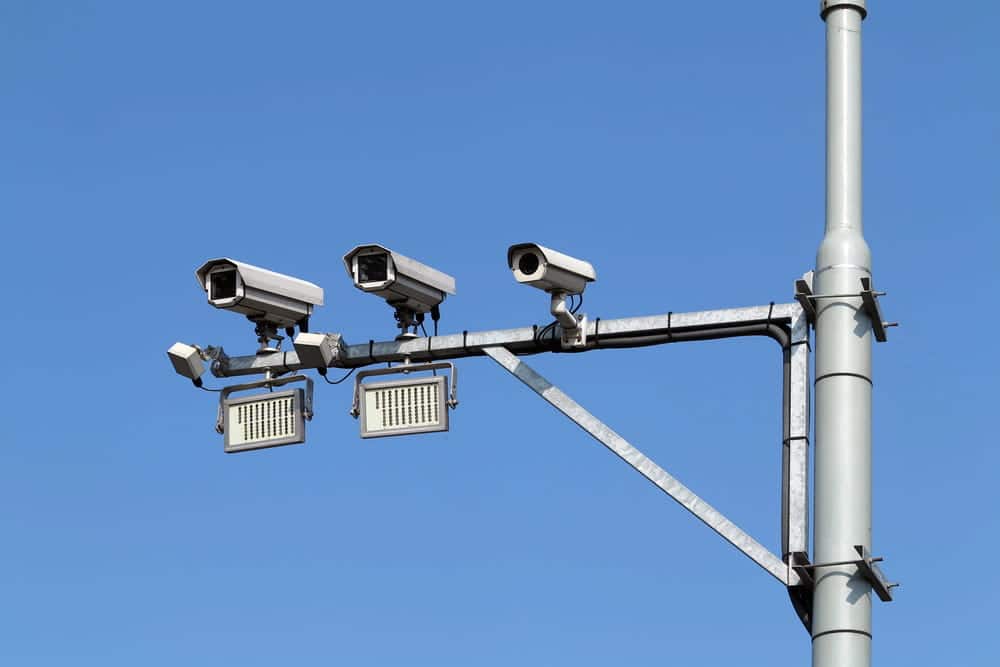

Beachside Traffic Stop Footage in Cocoa Beach
Recorded footage from beachside traffic stops sometimes provides additional context that written arrest reports only summarize briefly.
Body Camera Video From a Nighttime Stop
A driver stopped near a Cocoa Beach parking area is later accused of struggling during roadside testing late at night. Body camera footage shows uneven pavement, strong wind conditions, and surrounding traffic noise throughout portions of the investigation. Several parts of the recording also show the driver responding calmly to the officer’s instructions during roadside interaction and questioning.
Recorded Details That May Affect Case Review
Video evidence does not automatically determine whether DUI charges will later be reduced or dismissed in court. Additional context shown within recorded footage may still influence how prosecutors evaluate the strength of the allegations and evidence. Judges and jurors may evaluate recorded footage alongside police reports, officer testimony, and other evidence presented during the case.
Contact a DUI Lawyer in Cocoa Beach
Video evidence often affects how DUI cases are investigated, negotiated, and reviewed because recordings may capture details that reports summarize only briefly. Dashcam footage, body camera recordings, and nearby surveillance video sometimes influence how driving behavior, roadside testing, and officer observations are interpreted during the case.
In Cocoa Beach and throughout Brevard County, early review of recorded evidence may become important because some footage remains available for only a limited time. Reviewing video evidence early may help individuals better understand how prosecutors and defense attorneys evaluate the strengths and weaknesses of a DUI case.
At DeGraff Hicks, we understand how stressful a DUI investigation can become once video evidence and roadside recordings enter the case. Our team carefully reviews footage, police reports, and surrounding circumstances to help identify details that may affect the defense strategy and court proceedings. Contact us today or call (321) 44-SHARK to speak with an experienced Cocoa Beach DUI defense attorney about your case and the evidence involved.