A driver pulls away from a crowded Cocoa Beach restaurant after dinner, expecting the night to end quietly, until flashing lights suddenly appear in the rearview mirror. What begins as an ordinary traffic stop can quickly become a DUI stop in Cocoa Beach as officers start asking questions about drinking, recent activity, and driving behavior. At the same time, officers often watch speech, coordination, and overall conduct while deciding whether further investigation is necessary.
Florida law prohibits driving while impaired by alcohol, controlled substances, or chemical substances, and it also makes driving unlawful with a blood alcohol level of 0.08 or higher. Even during a DUI investigation, drivers still maintain important legal protections involving questioning, searches, and certain testing requests.
Small decisions made during a roadside investigation may later affect how evidence is reviewed and how the case develops in court. Many drivers do not realize how quickly ordinary roadside interactions can become important evidence once an investigation begins. Speaking with an experienced Cocoa Beach DUI lawyer early on may help drivers better understand their rights and prepare for the legal process ahead.
Key Takeaways
- Drivers stopped for DUI in Cocoa Beach still maintain important constitutional and procedural legal protections.
- Officers often begin DUI investigations after observing driving patterns, changes in speech, or concerns about roadside behavior.
- Drivers must provide identification, but not every roadside question requires a detailed response.
- Early statements, roadside testing, and video footage may later influence how DUI evidence is evaluated in court.

Why Do Officers Start DUI Stops?
Most DUI investigations begin after an officer notices driving behavior that appears unsafe or unusual on the road. What first seems like a routine stop may quickly expand once officers begin making additional observations during the encounter.
Driving Behavior That May Trigger an Investigation
Officers often begin investigations after noticing alleged lane drifting, speeding, delayed braking, equipment violations, or other irregular driving patterns. In some situations, a minor traffic issue may draw attention before officers suspect possible impairment. Patrol activity also tends to increase during late evening hours near beach districts, restaurants, and entertainment areas where traffic remains active.
What Officers Observe After the Stop Begins
Once the conversation starts, officers usually pay attention to speech patterns, coordination, and overall behavior during the encounter. They may also note delayed responses, confusion, or the odor of alcohol while asking routine questions about recent activity. Many investigations include questions about drinking, travel plans, or where the driver spent the evening before the stop occurred.
What Information Must Drivers Provide?
Drivers still have certain legal obligations during traffic stops, even when a DUI investigation develops at the roadside. Understanding what information must be provided may help reduce confusion during stressful encounters with law enforcement.
Identification and Required Documents
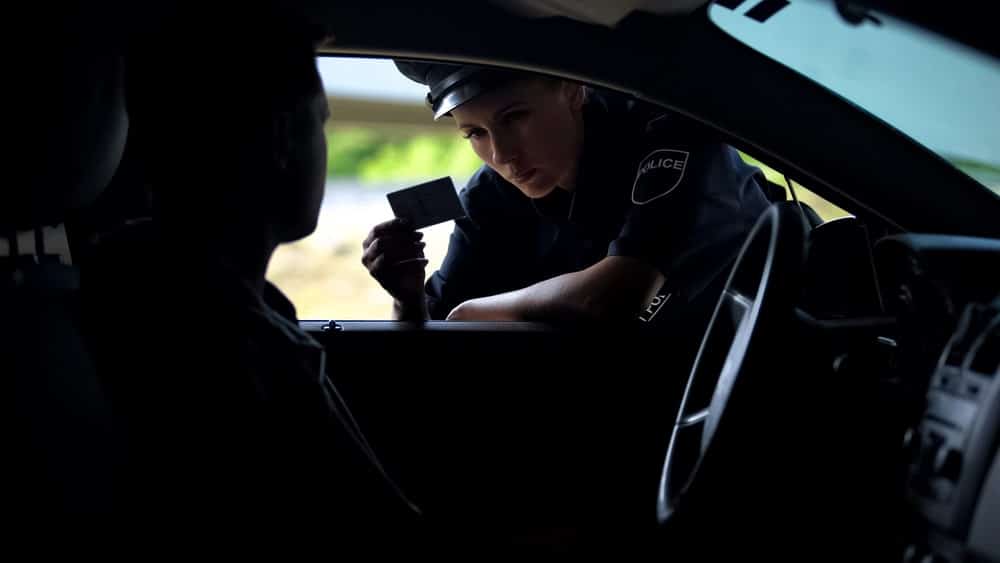
- During a lawful traffic stop, drivers generally must provide a valid driver’s license, vehicle registration, and proof of insurance when requested.
- Officers may also issue lawful safety instructions while managing traffic conditions or continuing the investigation.
- These instructions may involve where drivers should stand or whether passengers should remain inside the vehicle.
Which Questions May Drivers Decline?
- Some roadside questions go beyond identification and focus on drinking, recent activity, or places visited earlier in the evening.
- A driver leaving a busy Cocoa Beach restaurant area may hesitate when asked about alcohol consumption before testing begins.
- Statements made during the stop may later appear in police reports or recorded footage.

How Can Cocoa Beach DUI Enforcement Affect a Case?
DUI investigations often increase during periods of heavy traffic, nightlife activity, and seasonal tourism along the coast. Local enforcement patterns may influence how frequently stops occur and how investigations continue after an arrest.
Why Coastal Traffic Patterns Matter
Cocoa Beach experiences heavy tourism traffic during holiday weekends, beach events, and seasonal travel periods throughout the year. During these times, law enforcement presence often increases near entertainment areas, restaurants, and major coastal roadways. Late-night patrol activity may also become more visible as officers monitor traffic leaving crowded nightlife districts.
How Brevard County Procedures Influence DUI Cases
DUI arrests in Cocoa Beach move through the Brevard County court system, where local procedures guide how cases progress after arrest. Scheduling practices, filing timelines, and courtroom procedures may differ from those used in other Florida counties. Enforcement priorities and judicial expectations may also affect how certain issues receive review during hearings and negotiations.
What Rights Apply During Roadside Testing?
Roadside testing often becomes one of the most important stages of a DUI investigation after a traffic stop begins. Many drivers do not realize how observations made during testing may later influence the direction of the case.
What Happens During Field Sobriety Exercises?
Officers may request roadside exercises that involve balance, coordination, and divided attention tasks during a DUI investigation. These exercises usually occur near active roadways where lighting, weather, and traffic conditions may affect performance. Footwear, medical conditions, uneven pavement, and nervousness may also influence how drivers respond during testing.
How Do Florida Implied Consent Rules Work?
Florida law treats driving as implied consent to certain lawful breath, blood, or urine testing requests after a DUI arrest under Florida Statutes § 316.1932. This means drivers may face separate consequences if officers claim that a lawful request for testing was refused after an arrest. Testing procedures and allegations of refusal often become important issues in both license reviews and court proceedings.
What Limits Apply During a DUI Investigation?
Drivers still maintain constitutional protections during roadside investigations and traffic stops involving suspected impairment. Understanding these limits may help clarify what officers can and cannot do during a DUI investigation.
When Can Officers Search a Vehicle?
- Officers generally need a lawful reason before searching a vehicle during a DUI investigation or traffic stop.
- Consent, probable cause, visible evidence, or other legal exceptions may affect whether a search occurs.
- The specific circumstances surrounding the stop often become important during later legal review.
- Courts may examine whether officers followed constitutional requirements throughout the investigation.
What Limits Apply to the Length of a DUI Stop?
- Traffic stops must remain reasonably connected to the investigation being conducted at the scene.
- During the stop, officers may gather observations, request documents, or continue questioning related to possible impairment.
- Officer reports, dash camera footage, body camera recordings, and the overall duration of the stop may be carefully reviewed later.
- These details can affect how the investigation is evaluated during court proceedings.

How Can Early Decisions Affect the Case?
Many DUI cases begin taking shape during the first several minutes of a roadside investigation. Early decisions, statements, and reactions may later influence how prosecutors and courts review the evidence.
Why Do Statements and Video Matter?
Officer observations, recorded statements, testing decisions, and video footage often become central parts of a DUI investigation after an arrest. Prosecutors may later review these details while evaluating the strength of the case and possible charges. Even casual roadside statements sometimes become important evidence once they appear in reports or recorded footage.
Why Does Conduct During the Stop Matter?
A driver’s behavior during the stop may affect how officers document the encounter and later describe the investigation. Aggressive behavior, false statements, or resistance during the stop may create additional legal concerns beyond the original allegation. In contrast, remaining calm and understanding the situation often helps reduce confusion during a stressful roadside encounter.
Contact a DUI Lawyer in Cocoa Beach
Drivers stopped for suspected DUI in Cocoa Beach still maintain important legal protections throughout the investigation process. Although officers may request identification, questioning, roadside exercises, and chemical testing, not every request carries the same legal obligations or consequences.
Decisions made during the first few minutes of a DUI investigation may later affect how evidence is reviewed in court and how the case develops moving forward.
At DeGraff Hicks, our team helps drivers understand their rights, prepare for the legal process, and make informed decisions after a DUI investigation begins. Contact us today or call (321) 44-SHARK to speak with a Cocoa Beach DUI defense attorney about your situation.