Have you ever wondered how a single 911 call can suddenly turn a personal disagreement into a criminal case in Florida? State law gives officers broad authority once certain conditions are met, which means situations can change quickly after police arrive. Domestic violence includes assault, battery, sexual assault, stalking, and related conduct between family or household members.
Florida law allows officers to make a warrantless arrest in domestic violence cases when probable cause exists, even if the alleged victim does not wish to pursue charges. State statute specifically provides that arrest decisions do not require victim consent once probable cause is established. This authority is designed to protect safety and prevent further harm when officers believe violence has occurred.
In Cocoa Beach, these cases often move faster than people expect, which makes early understanding especially important. Court deadlines, reporting requirements, and protective orders can follow shortly after an arrest, creating stress for everyone involved. Speaking with Cocoa Beach domestic violence lawyers early can help people understand their rights, meet required deadlines, and avoid preventable mistakes while their case moves forward.
Key Takeaways
- Florida police can make a domestic violence arrest based on probable cause, even if the other person does not want to press charges.
- After an arrest, judges often impose no-contact or release conditions within 24 hours, which can immediately affect housing, work, and family contact.
- Prosecutors decide whether a case moves forward, so charges may continue even if the parties later reconcile.
- Early court deadlines and restrictions arrive quickly, making prompt legal guidance important to avoid violations and protect your rights.

What Domestic Violence Arrest Laws Mean in Florida
These laws guide how officers respond to household disputes and potential violence. They focus on safety while allowing police to act before situations worsen.
What the Law Is Designed to Address
These rules aim to reduce repeat harm in high-risk household situations. They also limit pressure on victims to withdraw complaints after officers arrive. Another goal is preventing escalation when police leave without accountability. Lawmakers also encourage early intervention during volatile domestic disputes.
What These Laws Do and Do Not Require
Many domestic violence arrests begin after a late-night argument leads a neighbor or family member to call 911. When officers arrive, they may observe signs of a struggle or hear conflicting accounts, and an arrest can follow even if everyone later wants to calm the situation. Officers base their decisions on probable cause, not on whether someone wants charges, and prosecutors later decide whether to move forward with the case. For many families, this is when the legal process suddenly becomes real.
Where Domestic Violence Cases in Cocoa Beach Are Handled
Once an arrest is made, the focus shifts from the scene to the local court system. This is where early hearings, release conditions, and case timelines begin to take shape.
Brevard County Court Process
Domestic violence arrests in Cocoa Beach move through the Brevard County court system. Cases usually begin with a first appearance in the county court, often at the Moore Justice Center in Viera. Judges frequently impose temporary no-contact orders at this early stage. Release conditions are reviewed shortly afterward.
Why Local Court Practice Matters
Bond practices vary by county, which affects how quickly someone may return home. First-appearance timing also differs by jurisdiction and can affect early case planning. Judicial expectations reflect local procedures and court culture. Early court decisions often shape the rest of the case.
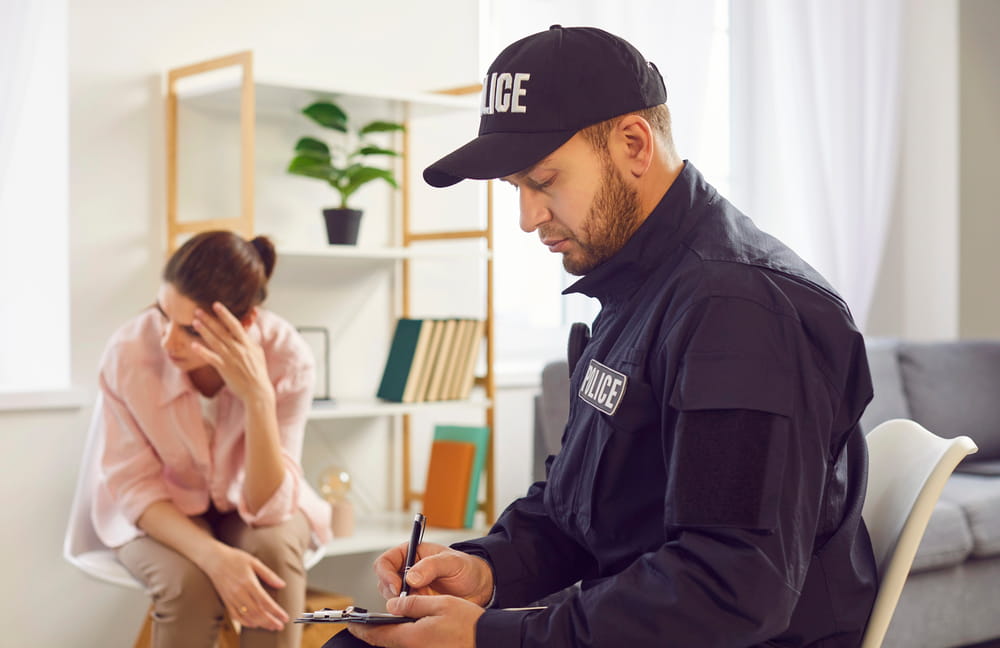
What Officers Evaluate at the Scene
Before any arrest decision is finalized, officers must evaluate specific details at the scene. These observations help determine whether probable cause exists and what steps to take next.
What Officers Are Required to Record
- Completion of a written investigative report describing the incident and the enforcement decision.
- Identification of the primary aggressor based on available evidence.
- Documentation of any visible injuries or physical indicators when present.
Additional Information That May Be Included
- Statements from involved parties or witnesses.
- General observations about the scene when relevant to the investigation.
Arrest Authority and Probable Cause in Domestic Violence Cases
Building on those initial findings, Florida law allows officers to act quickly when probable cause is established. These decisions guide whether an arrest is made and what immediate protections may follow.
Arrest Warrant
Police may make a warrantless arrest when probable cause exists. Arrest decisions do not depend on victim consent. Officers must complete the required investigative steps after responding to a domestic violence call. Written reporting is required once the scene is secure.
How Florida Law Supports Arrest Authority
Florida Statutes § 901.15(7) allows warrantless arrest based on probable cause in domestic violence situations. Florida law requires officers to investigate reported domestic violence. Officers must prepare written reports describing injuries and enforcement decisions. Victims must receive notice of available legal protections and community resources.
What Happens After a Domestic Violence Arrest
For many people, this is when the impact becomes real. After an arrest, events move quickly and can affect daily life.
Booking, Court Review, and Immediate Restrictions
The arrested person is booked and held until judicial review. After booking, the law requires prompt judicial review, and the first appearance typically occurs within 24 hours. Judges frequently impose temporary release conditions, including no-contact provisions, based on safety concerns rather than guilt. These early court decisions often affect housing, employment, and family contact before the case is fully evaluated.
Risks of Violating Court-Imposed Conditions
Any form of communication may violate release terms. Third-party messages can still result in violations. Violations often lead to re-arrest or additional charges. Cocoa Beach domestic violence attorneys often help clients understand these restrictions before mistakes occur.


Common Misunderstandings About Domestic Violence Arrest Laws
Arrest Does Not Automatically End the Case
- Prosecutors independently evaluate the evidence and decide whether to pursue charges.
- Charges can continue even if the alleged victim withdraws cooperation or reconciles with the other party.
- Court timelines continue regardless of personal agreements or attempts to resolve the issue outside court.
Early Decisions Matter
- Court dates often begin within days of the arrest, making early attention critical.
- Following early compliance requirements, such as attending hearings or programs, can influence long-term outcomes.
- Small missteps at the beginning of the process can have lasting consequences on the case and potential penalties.
Call a Cocoa Beach Domestic Violence Lawyer Today
Florida’s domestic violence arrest laws give officers authority based on probable cause, not automatic arrest. In Cocoa Beach, cases move through Brevard County courts with rapid hearings and early restrictions. Understanding arrest authority and post-arrest procedures helps residents avoid common mistakes during stressful situations.
Early awareness supports better decisions about housing, work, and family contact. Court deadlines and release conditions often arrive quickly after an arrest. Timely guidance helps people stay organized, meet requirements, and respond carefully while their case moves forward.
At DeGraff Hicks Law Group, we understand how overwhelming domestic violence charges can feel when your future is uncertain. Our team focuses on clear guidance, careful preparation, and the protection of your rights at every stage. We take time to explain court expectations and how early decisions can shape outcomes. Contact us today or call (321) 44-SHARK to speak with our team and learn how we can help you move forward with confidence.