Imagine facing a situation where anger turns violent and a weapon is within reach. In those moments, the difference between safety and danger can depend on how the law steps in. Florida’s laws on domestic violence and firearm access exist to protect victims and prevent harm before it happens.
Under Florida Statute § 741.28, domestic violence includes assault, battery, stalking, sexual violence, and other acts of abuse between family or household members. These definitions give courts the power to restrict firearm possession when credible threats arise. Understanding how these laws work helps individuals recognize both their rights and their responsibilities.
This guide explains when firearm possession becomes illegal and how injunctions and Risk Protection Orders are used to protect victims. It also covers what evidence courts review and how rights can be restored once an order ends. An experienced Cocoa Beach domestic violence lawyer can help you navigate each step with confidence and care.


What Counts as Domestic Violence in Florida
Domestic violence laws in Florida protect victims by addressing harmful acts that occur within close relationships. Understanding what qualifies as domestic violence is essential for both victims and defendants seeking legal guidance.
Legal Meaning
Domestic violence is defined as physical, emotional, or sexual harm between family or household members. It includes actions such as assault, battery, stalking, kidnapping, or any behavior that causes injury or death. These laws apply to spouses, relatives, cohabitants, and parents who share a child. Knowing how the law defines domestic violence helps determine when Florida’s laws on domestic violence and firearm access may come into effect.
Why It Matters for Firearm Rules
Once a relationship meets the domestic violence definition, firearm restrictions may be imposed to protect victims from further harm. Judges carefully assess the level of danger, prior incidents, and existing threats before making decisions about firearm surrender. Even without a conviction, an injunction can lead to temporary loss of firearm rights. Cocoa Beach domestic violence lawyers can help individuals understand these laws and navigate the legal process effectively.
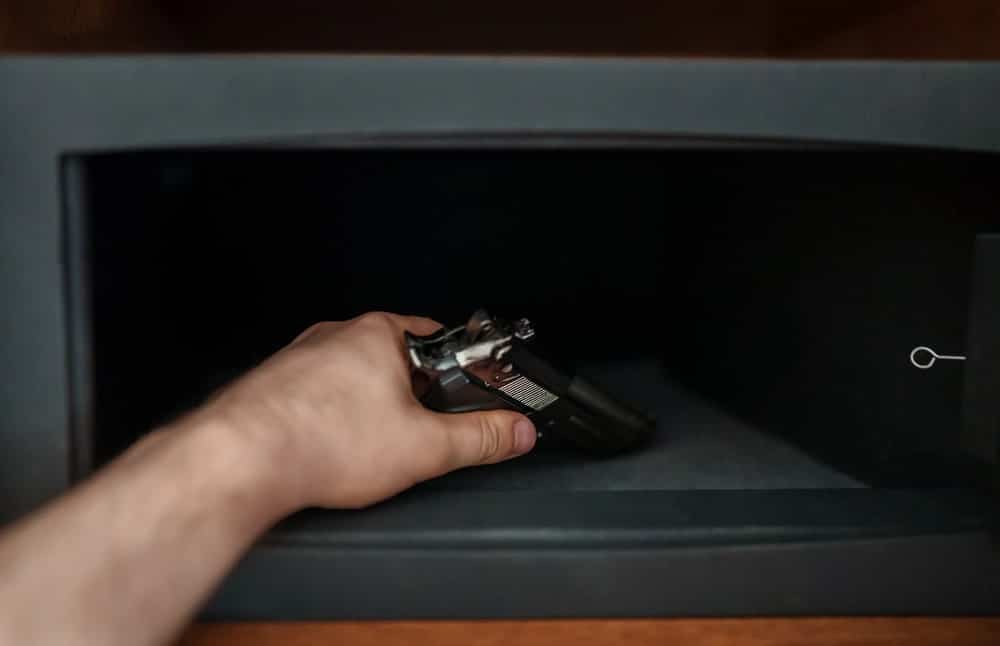

Firearm Possession After a Domestic Violence Injunction
Firearm restrictions under Florida law are strict when domestic violence injunctions are involved. These rules are designed to protect victims and prevent further harm while maintaining public safety.
When Firearm Possession Becomes Illegal
A person cannot own, control, or possess a firearm or ammunition when a final injunction for protection is active. Temporary injunctions may also require surrender, but the criminal prohibition applies only to finalized orders. These court orders often instruct individuals to surrender firearms to law enforcement and prohibit any new firearm purchases during the injunction. Florida domestic violence lawyers can guide clients through the process to ensure full legal compliance.
Duration and Penalties
Firearm restrictions remain in effect until the injunction expires or the court formally dissolves it. Violating these terms can lead to arrest, significant fines, or jail time. Judges view such violations seriously, as they threaten public safety and can affect future custody or employment opportunities. Domestic violence lawyers help individuals understand these penalties and work toward restoring their rights responsibly.
How Risk Protection Orders (RPOs) Work
Risk Protection Orders, or RPOs, are a key part of Florida’s efforts to prevent gun violence and protect potential victims. They allow courts to act quickly when credible threats of harm exist.
Purpose and Authority
Under Florida’s “red flag” law, police can petition a court to temporarily remove firearms from someone who poses a danger to themselves or others. Judges may issue immediate ex parte orders, followed by a hearing to decide if longer protection is necessary. These cases require clear and convincing evidence that the person presents a significant risk.
Duration and Surrender
Final Risk Protection Orders can remain in effect for up to one year, with the option for renewal before expiration. Individuals subject to an RPO must surrender all firearms and ammunition immediately to law enforcement. Attempting to buy or possess a firearm during this period is a criminal offense. An experienced domestic violence lawyer in Florida can help ensure compliance and guide individuals through reinstating their rights once the order ends.
Evidence Courts Consider
Evidence Supporting Firearm Restrictions
Courts rely on credible and detailed evidence to determine whether firearm restrictions should remain in place. This may include:
- Police reports, medical records, and witness testimony showing prior violence or intimidation.
- Threatening messages, weapon use, or patterns of abuse that indicate ongoing risk.
- Text messages, photographs, or prior injunctions provided by victims to show a consistent history of danger.
Together, these materials help the court assess the potential threat and protect victims from further harm.
Evidence Challenging Restrictions
Respondents may also present evidence to contest firearm limitations, such as:
- Proof of compliance, including timely firearm surrender and absence of new threats.
- Safe storage records, lack of access, or no prior history of violence.
- Witness statements confirming calm conduct and low risk to others.
Such evidence can persuade the court to modify or lift restrictions after review.


Penalties and Restoration of Rights
Violating firearm restrictions linked to domestic violence injunctions carries serious criminal and personal consequences. Understanding these penalties and the proper way to restore rights afterward is essential for anyone affected.
Criminal Exposure for Violations
Possessing or controlling firearms or ammunition while a final injunction is active is illegal under Florida Statute § 790.233. This offense is classified as a first-degree misdemeanor and can lead to up to one year in jail and significant fines. Law enforcement officers have the authority to confiscate firearms immediately when serving a protective order. Domestic violence lawyers can help individuals understand these laws and minimize potential legal exposure.
Returning Firearms After Orders End
When an injunction or Risk Protection Order expires, individuals may request the return of their firearms if no other restrictions apply. The court or law enforcement agency must verify eligibility before releasing any weapons. Retaining all surrender receipts and clearance documents is vital to prevent future disputes or denials.
Conclusion
Florida’s firearm restrictions in domestic violence cases protect both victims and the community from immediate harm. Judges can issue swift orders to remove firearms when credible threats exist. These laws balance safety and fairness by allowing hearings, evidence review, and the opportunity for legal defense.
Understanding how injunctions and Risk Protection Orders work is essential for everyone involved. Knowing the required proof and procedures ensures compliance and prevents serious penalties. With guidance from experienced domestic violence lawyers, individuals can navigate these laws confidently while protecting their rights and safety.
At DeGraff Hicks Law Group, we know how stressful it can be when firearms become part of a domestic violence case. Our team understands Florida’s laws on domestic violence and firearm access and works to protect your rights every step of the way. Contact us today at (321) 44-SHARK to speak with an experienced domestic violence lawyer in Florida. Your safety and your future matter — contact us now for a free consultation and let us help you move forward with confidence.