A partner blocks the doorway during a heated dispute, leaving the other person afraid to remain in the home. Depending on what happens next, that person may need immediate safety measures, court protection, or both. Florida recognizes several acts as domestic violence when they occur between qualifying family or household members.
These acts include assault, battery, stalking, kidnapping, false imprisonment, and other crimes causing physical injury or death. Florida Statutes § 741.28 covers spouses, former spouses, certain relatives, family household members, and parents who share a child. Except for co-parents, those involved must live together now or have previously shared a home as a family.
Safety concerns can quickly affect housing, children, communication, and existing court obligations after an incident. A Cocoa Beach domestic violence lawyer can explain available protections and help someone understand the legal steps that may follow.
Key Takeaways
- Domestic violence victims may seek immediate help through police, medical care, safety planning, shelters, advocacy, and other support services.
- Qualifying individuals may request a Florida injunction for protection that can restrict contact, address housing, and provide temporary parenting protections.
- Photos, messages, medical or police records, witness information, and incident timelines can help support requests for court protection.
- Existing parenting or family court orders can complicate safety decisions, making legal guidance important when protective relief and other obligations overlap.

What Immediate Help Is Available After an Unsafe Incident?
Immediate help depends on the level of danger, injuries, and support a person needs now.
When Should Someone Call Police or Seek Medical Care?
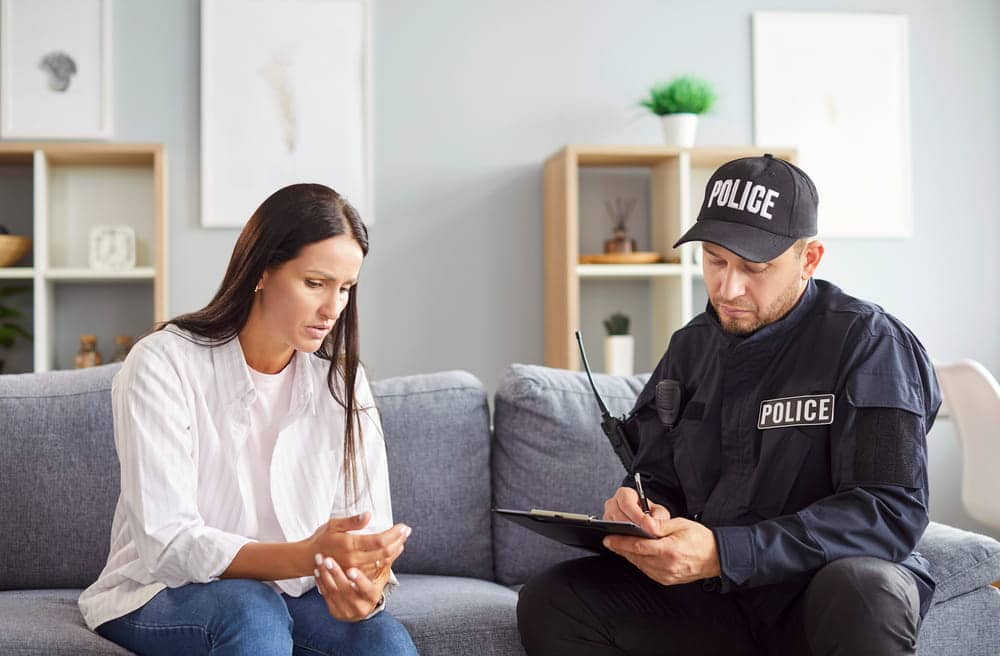
An active assault, immediate threat, serious injury, or other emergency requires prompt assistance. Medical care can treat injuries and document treatment timing, while police may record observations and create an incident report. A police report may support a case, but it does not prove every allegation or guarantee court protection.
Which Support Services Can Help Someone Stay Safe Today?
Florida’s certified centers may offer emergency shelter, crisis support, advocacy, safety planning, counseling, and referrals. The Florida Department of Children and Families lists statewide resources, including the hotline at 1-800-500-1119. Advocates can provide safety planning, support, and referrals, while some programs can connect eligible survivors with legal services or representation.
How Can Someone Reduce Risk After the Immediate Crisis?
Safety concerns can continue after an immediate incident, especially when the people involved share a home, children, finances, vehicles, or accounts.
How Can Safety Planning Reduce the Risk of Further Harm?
A safety plan may address transportation, identification, medications, money, important documents, children, pets, trusted contacts, devices, and accounts. The precautions that make sense can depend on whether the people involved still share housing, finances, vehicles, children, or account access. Important information should remain safely accessible without creating additional risk.
What If Leaving Home Becomes the Safest Immediate Choice?
A person leaves a shared home after escalating threats and a physical confrontation. From a safe place, that person contacts an advocate, preserves available messages, and considers what protection may be needed next. Leaving can raise questions about housing, belongings, children, records, and communication, so the safest next step depends on individual circumstances.

Who Can Ask a Florida Court for Protective Relief?
Eligibility depends on both the alleged conduct and the legal relationship between the people involved.
Which Relationships Qualify for This Protection?
Marriage is not required; former spouses, qualifying relatives, certain household members, and parents sharing a child may qualify. Unmarried partners who never lived together and share no child may fall outside this category, even if they are dating. If this relationship requirement is unmet, another protective order may sometimes apply instead.
What Protection Can a Court Order Provide?
A qualifying person experiencing abuse or reasonably fearing imminent abuse may request protective relief. Relief may restrict contact, address housing, set temporary parenting terms, limit time-sharing, or provide temporary support when appropriate. An ex parte temporary injunction requires the court to find an immediate and present danger of domestic violence, and leaving home does not bar an otherwise qualifying request.
What Happens After Someone Requests Court Protection?
Where Is a Petition Filed?
In Brevard County, injunction-for-protection petitions are filed at the Moore Justice Center, 2825 Judge Fran Jamieson Way, Viera, Florida 32940. These petitions are filed in circuit court, and no filing fee applies. Clerk staff can assist with required pleadings but cannot choose what a petitioner includes or provide legal advice.
What Happens After a Judge Reviews the Petition?
After filing, a judge reviews the petition to decide whether immediate temporary protection is warranted before the full hearing. The judge may deny relief, schedule a hearing without temporary relief, or grant temporary relief and set a hearing. An ex parte temporary injunction generally lasts no longer than 15 days, with the full hearing scheduled before it expires unless the hearing is continued as allowed by law. At the hearing, the petitioner may present testimony, witnesses, records, or other evidence after proper notice to the respondent.
What Should Someone Prepare Before a Court Hearing?
Before the hearing, a petitioner can organize records, witness information, prior orders, and other evidence relevant to the requested protection.
Which Records Can Help Support the Request?
Useful evidence can include:
- Photographs or videos showing injuries, property damage, or relevant conditions.
- Messages, emails, or voicemails documenting threats, harassment, admissions, or repeated contact.
- Medical or police records showing treatment, reported injuries, observations, or incident timing.
- Witness information from people who saw, heard, or otherwise observed relevant events.
- Prior court orders or incident timelines showing earlier conduct, restrictions, or a pattern over time.
These materials can help show the nature, timing, frequency, sequence, or effects of the alleged conduct when accounts differ. Having a record does not guarantee that a court will admit or rely on it, and gathering evidence should never create additional danger.
How Can Child and Housing Concerns Affect Court Relief?
Parents may face immediate questions about housing, school, exchanges, contact, and whether the shared home remains safe. Temporary relief may address residence, parenting arrangements, supervised or restricted time-sharing, and support when appropriate. An injunction proceeding does not permanently resolve every family-law issue, so existing parenting orders can affect what additional legal steps are necessary.

What Help May Be Needed After the Immediate Crisis?
After the immediate crisis, existing court orders, upcoming hearings, and continuing safety concerns can shape what happens next.
How Can Existing Court Orders Shape the Next Steps?
Existing parenting, divorce, or other court orders may govern residence, exchanges, communication, or contact with the other person. Safety concerns can conflict with those requirements, so legal advice can help identify which obligations remain in effect and what additional court relief may be available. Temporary protective relief addresses immediate concerns but does not permanently resolve separate family disputes.
When Can Legal Guidance Help With Ongoing Court Issues?
Legal guidance can help a petitioner prepare for the hearing, identify the relief being requested, and address conflicts between an injunction and existing family-court orders. An attorney can identify relevant facts, review records, explain hearing issues, and clarify how separate obligations interact. Some people need only safety resources, while others face hearings or competing orders requiring individualized advice.
Contact a Cocoa Beach Domestic Violence Lawyer
Help may begin with medical care, safety planning, advocacy, or an injunction for protection, depending on the immediate circumstances. Housing, children, existing court orders, and expected contact with the other person can affect what comes next. Court protection can address certain legal concerns, while shelters, advocates, and other support services can assist with safety and practical needs outside the courtroom.
At DeGraff Hicks Law Group, we understand how safety concerns and court obligations can quickly become overwhelming. Our lawyers can explain available options, review relevant court issues, and help you understand how the next steps may apply to your circumstances. Contact us today or call (321) 44-SHARK to discuss your situation and learn what options may be available.