What evidence truly proves domestic violence in Cocoa Beach, and how do courts decide what to believe? Building a strong case requires clear and consistent proof that explains what happened and how it fits within the legal definition. Courts review injuries, communication, and witness accounts together to understand the full situation.
Florida law recognizes domestic violence as a range of harmful acts between family or household members. This definition guides judges in determining whether conduct meets the required standard. The focus remains on whether the behavior aligns with this definition based on available evidence.
These cases often move quickly once a report is filed, making early decisions especially important. Delays or missing details at this stage can make it harder to clarify what actually happened later. In Cocoa Beach, local procedures and timelines can add pressure if key steps are delayed. Working with experienced Cocoa Beach domestic violence lawyers helps ensure evidence is properly gathered and organized from the start.
Key Takeaways
- Physical injuries, medical records, and witness statements collectively help establish whether domestic violence occurred.
- Timely documentation, including photos, 911 calls, and treatment notes, strengthens the credibility of a claim.
- Digital evidence such as texts, emails, and social media messages can reveal patterns of behavior beyond a single incident.
- Awareness of Brevard County court procedures ensures evidence is presented effectively and deadlines are met.


What Evidence Courts Look for in Florida Domestic Violence Cases
Courts review different types of evidence together to understand what happened and how events unfolded. Each piece contributes to building a clear and reliable account. These types of evidence generally fall into several core categories.
Core Evidence Types
Courts rely on physical injuries and medical records to identify signs of harm and confirm when treatment occurred. Police reports and incident documentation provide an official record that helps establish how the situation was first reported. Witness statements and third-party accounts add context by describing what others observed or experienced.
What Makes Evidence Credible
Courts place greater weight on evidence collected soon after the incident because it reflects events more accurately. Consistency across records and statements helps strengthen the overall narrative and reduce uncertainty. Clear timelines allow each piece of evidence to connect in a logical sequence.
Where Domestic Violence Cases Are Handled in Cocoa Beach
Domestic violence cases in Cocoa Beach follow the legal structure set by Brevard County. Understanding where cases are handled helps clarify how procedures and timelines affect the process.
Brevard County Court Structure
- Cocoa Beach falls under the jurisdiction of Brevard County, where cases move through the local court system.
- Many hearings and filings take place at the Moore Justice Center, depending on the case’s stage.
- Court procedures follow county rules that guide how matters progress from filing to resolution.
- Knowing the court structure helps individuals stay organized and prepared.
How Local Process Affects Evidence
- Local procedures influence how evidence is collected, filed, and reviewed.
- Documentation timelines and filing steps may vary across different courts.
- Early police reports and medical records are often reviewed more efficiently.
- Delays in following local processes can affect verification and case outcomes.


Physical and Medical Evidence That Supports a Claim
Physical and medical evidence help courts see clear signs of harm and understand when injuries occurred. These records often connect reported events with documented conditions.
Injury Documentation and Photos
Clear images of bruises, cuts, or visible marks can show the extent and location of injuries. Time-stamped photos help place these injuries within a specific timeline. Signs of damage or struggle can further explain how the incident may have occurred.
Medical Records and Professional Reports
Medical records from emergency visits or clinics provide formal documentation of injuries soon after the incident. Doctor notes can connect those injuries with reported events and support consistency. Treatment history may also show how the condition developed or required follow-up care.
Statements, Reports, and Witness Evidence
Statements and reports help courts understand what others observed and how events were first described. These accounts often add context that supports other forms of evidence. One of the most commonly reviewed sources includes official reports and emergency call records.
Police Reports and 911 Calls
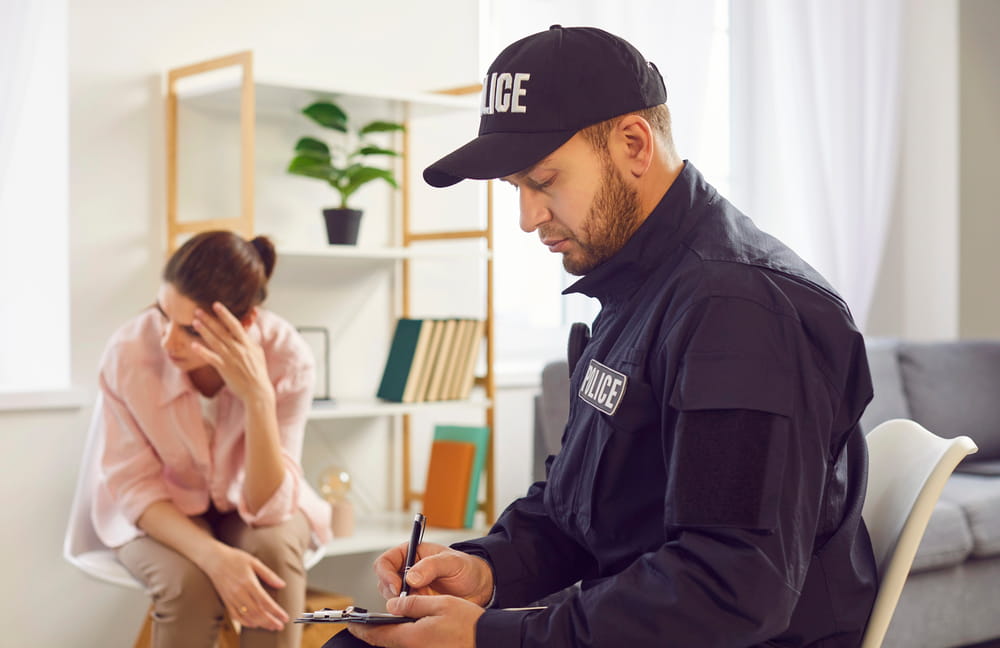
Police reports document officer observations made at the scene, including visible conditions and details. Incident summaries describe what was reported and how the situation appeared at that time. Recordings of 911 calls can capture real-time details and the urgency of the moment.
Witness Statements and Third-Party Accounts
Witness statements from neighbors, family members, or bystanders provide additional perspectives. Independent observations may support or challenge claims depending on what was seen or heard. These accounts often help confirm timelines and explain behavior before or after the incident.
Digital Evidence and Legal Standards for Admissibility
Digital evidence can show communication patterns that explain what happened before and after an incident. Courts carefully review these records to ensure they are reliable and connected to the parties involved. In many cases, these communications provide a clearer picture of ongoing interactions rather than a single moment.
Messages and Communication Records
- Text messages, emails, and social media interactions can show how communication unfolded over time.
- These records may include threats or repeated contact reflecting ongoing behavior.
- Reviewing messages together helps establish patterns that support the timeline.
- Proper documentation strengthens the reliability of digital evidence.
Legal Requirements for Admissibility
- Courts require proof that digital evidence is authentic before it can be used.
- Evidence must accurately reflect the parties’ communication.
- Florida Statutes § 90.901 explains how digital evidence must be verified for use in court.
- Following these requirements ensures the evidence is considered valid and admissible.
Patterns of Behavior and How Courts Evaluate Evidence
Courts look beyond a single incident to understand whether behavior shows a consistent pattern over time. In many situations, what seems like an isolated event may actually reflect a repeated issue when viewed alongside earlier records. This broader view helps determine how evidence fits together.
Prior Incidents and Repeated Conduct
Previous police calls or reported incidents can show whether similar situations occurred before. Documentation that reflects repeated conduct helps establish a pattern rather than a single event. Records that show ongoing issues often provide a stronger context for evaluation.
How Judges Assess Conflicting Evidence
Courts compare consistency across records to determine which details align and which raise concerns. Patterns often carry more weight than isolated claims when supported by multiple sources. For example, a person may rely on past messages and earlier reports, and outcomes often depend on how well those records align.
Call a Cocoa Beach Domestic Violence Lawyer
Proving domestic violence in Florida depends on presenting consistent and well-documented evidence rather than relying on a single claim. Courts review injuries, records, statements, and communication together to understand the full situation. Each piece contributes to building a clear and reliable account.
In Cocoa Beach, these cases move through the Brevard County system, where local procedures can affect how evidence is reviewed. Understanding what proof carries weight helps individuals prepare more effectively from the start. Working with an experienced lawyer can help ensure important steps are not missed.
At DeGraff Hicks Law Group, we understand how stressful domestic violence cases can feel, especially when evidence and timelines become critical. Our skilled domestic violence attorney provides clear guidance to help you organize records, understand your options, and protect your rights. Contact us today or call us at (321) 44-SHARK to discuss your situation and take the next step with confidence. The sooner you act, the easier it becomes to preserve important evidence and protect your rights.